Europe’s best EV road trips for summer 2025: where scenery meets fast charging
Planning an EV road trip in Europe has shifted from “Will I find a charger?” to “Which route is the most beautiful?” For summer 2025, the best destinations share one key advantage: scenic driving paired with dense, reliable charging networks. Think Switzerland’s iconic alpine loop, Norway’s fjord roads, and the Netherlands’ ultra-easy urban circuits—routes where high-speed chargers are typically available every 50–100 km via networks such as IONITY, Tesla Superchargers, and strong local providers.
Longer daylight hours, milder temperatures, and peak-season services (restaurants, ferries, mountain passes) make summer the sweet spot for EV touring. In this guide, you’ll find the top EV road trip routes for summer 2025, what to expect from charging along the way, and how to reduce range anxiety by pairing your itinerary with hotels that offer destination charging.
What makes a great EV road trip route in 2025?
Not all “great drives” are equally EV-friendly. The routes below were chosen because they combine:
- Frequent fast charging (often 150–350 kW on main corridors, plus AC destination charging in cities and tourist areas)
- Predictable infrastructure (multiple operators, redundancy, and good uptime in popular regions)
- Summer efficiency (less winter battery drain; more consistent range estimates)
- Natural and cultural highlights worth stopping for—perfect for charging breaks
Practical tip: even on charger-dense routes, plan your day around two things—where you’ll eat (great time to DC fast charge) and where you’ll sleep (best time for destination charging at a hotel). That combination is what turns an EV trip from “manageable” into “effortless.”
Top EV road trip destinations in Europe for summer 2025
1) Switzerland’s Grand Tour (the alpine benchmark)
Why go: Switzerland’s Grand Tour is a roughly 1,600 km loop through alpine passes, lakeside roads, storybook villages, and impeccably maintained highways. It’s one of Europe’s most rewarding drives—and one of the easiest to do in an EV because charging is integrated into tourist infrastructure.
Charging reality: Expect a strong spread of chargers at rest stops and hotels, with reports of 300+ charging points across the route. Summer 2025 is ideal because mountain passes are open and you avoid cold-weather range loss. Do watch energy consumption on long climbs; the good news is that descents often deliver meaningful regenerative braking.
- Best for: maximum scenery, premium road quality, “once-in-a-lifetime” loop
- Watch-outs: tolls/fees can be expensive; some rural gaps still exist, so don’t run low “just because it’s Switzerland”
- Charging tip: top up earlier than you think before high passes, then use a scenic lunch stop to fast charge
2) Norway: Bergen to Ålesund (fjords, waterfalls, and EV leadership)
Why go: Norway is widely seen as Europe’s most EV-forward country. With extremely high EV adoption (including a reported 97% of new car registrations electric in 2024), it’s built a culture and infrastructure that supports electric travel—especially on famous scenic routes.
The drive: The Bergen-to-Ålesund region delivers the postcard Norway experience: deep fjords, mountain tunnels, ferry crossings, and dramatic viewpoints that naturally break up driving segments.
Charging reality: Infrastructure is robust along popular corridors, but distances can feel bigger in remote areas. The key is to plan charging around towns and ferry ports rather than assuming every viewpoint has a fast charger.
- Best for: epic nature, bucket-list photos, EV-friendly culture
- Watch-outs: occasional remoteness; always keep a buffer on fjord-side stretches
- Charging tip: use stops in major towns to fast charge; treat smaller villages as bonus rather than a guarantee
3) Netherlands: Amsterdam–Rotterdam–The Hague loop (the easiest “first EV trip”)
Why go: The Netherlands offers some of the densest public charging coverage in Europe, plus flat terrain that helps maximize efficiency. If you want a low-stress EV holiday with museums, canals, beaches, and short hops between cities, this is it.
Suggested routes: The classic urban triangle (Amsterdam–Rotterdam–The Hague) is straightforward to navigate. For something different, consider the Afsluitdijk Causeway, an iconic engineering drive with plenty of nearby charging options.
Charging reality: You’ll find many AC options in cities and reliable fast charging on main routes. It’s one of the best regions to learn the rhythm of “arrive, plug in, explore” without obsessing over range.
- Best for: first-timers, families, short daily drives, effortless top-ups
- Watch-outs: less dramatic landscapes than alpine or fjord routes
- Charging tip: in cities, prioritize hotels with on-site charging so you start each day near 80–100%
Planning a base in Amsterdam makes the whole loop easy to repeat in smaller day trips.
4) Germany’s Black Forest: Stuttgart to Baden-Baden via the B500 High Road
Why go: The Black Forest High Road (B500) is a classic: pine forests, ridgelines, sweeping corners, and viewpoints that feel purpose-built for road-trip stops. It’s around 100 miles of memorable driving, and it connects well with Germany’s larger Autobahn charging corridors.
Charging reality: Chargers are typically easy to find at the “ends” and near major towns, and there’s strong CCS coverage in Germany/Austria corridors. Summer helps because you’re not fighting winter efficiency losses—your biggest variable here is elevation changes.
- Best for: drivers who love twisty roads, short scenic blasts, and spa-town stops
- Watch-outs: consumption rises on sustained climbs (plan a bit more margin than on flat routes)
- Charging tip: fast charge before entering the most rural scenic segments, then use destination charging overnight
5) France’s Route Napoléon: Golfe-Juan to Grenoble (history + Alps)
Why go: Route Napoléon blends Mediterranean energy with alpine drama. You get coastal light, mountain roads, and food-focused towns that make charging stops feel like part of the holiday.
Charging reality: High-speed charging is generally plentiful, though one stretch can be thinner—so it’s smart to plan an extra stop before the quieter segment. On summer days, you can time charging around lunch on a terrace and still cover good distance.
- Best for: culture + scenery balance, warm-weather touring, historic road-trip vibes
- Watch-outs: occasional gaps; pricing and networks can vary by operator
- Charging tip: keep two charging options in mind (primary + backup) for the thinner section
6) Northern Italy: Milan to Lake Como (lakeside luxury with improving fast charging)
Why go: Northern Italy is a strong summer EV choice: short distances, high “reward per kilometer,” and the ability to combine city breaks with lakeside relaxation. Milan to Lake Como is an ideal mini road trip—especially if you start with a fully charged car after an overnight hotel top-up.
Charging reality: Fast charging is growing quickly (including providers like Enel X in many areas), but signage and pricing can be inconsistent compared with the Netherlands. The practical workaround is simple: choose a Milan hotel with reliable on-site charging, then use fast chargers for day trips and the return.
If you’re basing your trip in Milan, you can also extend into wine regions (like Chianti) if you’re comfortable planning around destination charging and a few well-placed DC stops.
Other notable EV-friendly summer routes to watch
- Austria–Germany alpine corridors: fast Autobahn driving, strong CCS coverage, and easy access to resorts.
- Portugal’s Douro Valley: stunning river landscapes and vineyard stops; plan charging around major towns.
- Switzerland’s Bernese Oberland: a high-impact scenic region where short distances pair well with hotel charging.
Planning tips to reduce range anxiety (and drive more, worry less)
Europe’s charging network is expanding quickly, and by summer 2025 the winning strategy is to stick to charger-dense corridors rather than forcing remote detours. Use these rules of thumb:
- Plan DC stops every 50–80 km “optionally,” not “necessarily”: on top routes, that’s often the spacing of available chargers—so you can choose the best stop rather than the only stop.
- Prefer CCS for flexibility: most non-Tesla fast charging in Europe is CCS; many Teslas also support CCS. Confirm your car’s compatibility and carry the right cables for AC charging at hotels.
- Use route planners with live availability: real-time status matters more than raw charger counts, especially at peak summer times.
- Expect higher consumption in hills: Alps/Black Forest routes can increase kWh/100 km on climbs. Summer helps, but elevation still matters.
- Book hotels with charging: destination charging turns “tomorrow’s drive” into a non-issue.
Real-world multi-country EV trips (France–Spain–Italy–Switzerland, for example) repeatedly show that you can tour comfortably with a mix of major networks and local operators—especially if your overnight stays reliably include charging.
Where to Stay
If your road trip includes the Netherlands or Northern Italy, anchoring your itinerary in cities with strong hotel charging can save time and reduce peak-season charging queues. Here are EV-ready stays on Stay Fully Charged, with on-site connectors and practical charging speeds.
Amsterdam: charge overnight and explore the urban loop
De L’Europe Amsterdam – The Leading Hotels of the World offers EV charging with 26 connectors up to 22 kW, ideal for overnight top-ups while you enjoy central Amsterdam on foot or by canal.
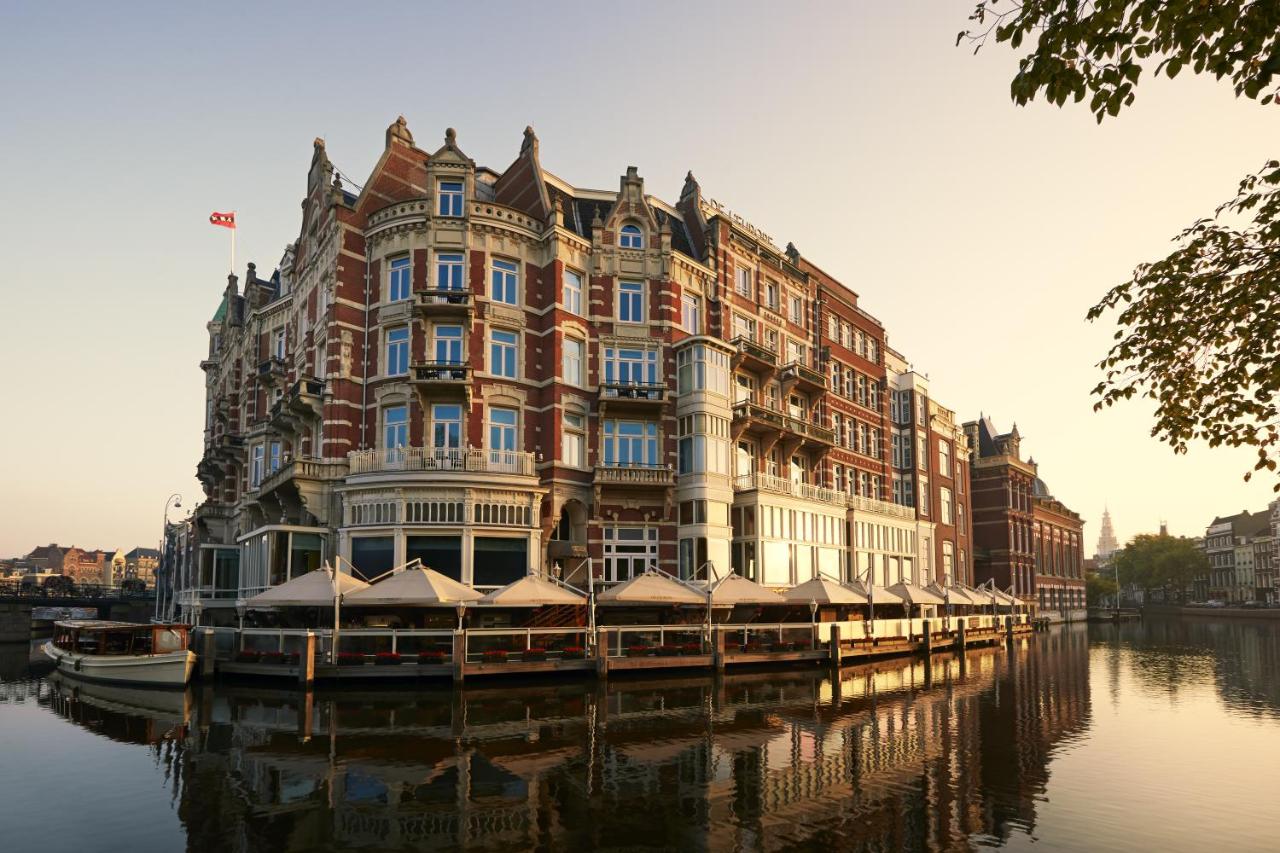
Anantara Grand Hotel Krasnapolsky Amsterdam is another strong option, featuring 70 connectors up to 38.4 kW. That’s a great fit for drivers who want maximum odds of an available plug during busy summer weekends.

Both properties make it easy to base your trip in Amsterdam and do simple day loops to Rotterdam, The Hague, Utrecht, or the Afsluitdijk—starting each morning with a healthier state of charge.
Milan: the best launchpad for Lake Como and Northern Italy
For a smooth start to a Northern Italy EV trip, choose a Milan hotel where you can reliably charge overnight before heading to the lakes. c-hotels Rubens (Milan) provides 7 connectors up to 110 kW, which can be especially useful if you arrive with a low battery and want a faster turnaround.

If you prefer a property with a very high number of plugs, Residenza delle Città in Milan offers EV charging with 60 connectors up to 50 kW—a strong advantage in peak season when availability matters as much as raw speed.

Sample EV itineraries (mix and match for summer 2025)
Option A: “Minimal hassle” week (Netherlands + short hops)
- Base: Amsterdam
- Drive: Amsterdam → The Hague → Rotterdam → Utrecht → Amsterdam
- Why it works: short distances, dense charging, easy parking/charging rhythm
Option B: “Iconic scenery” week (Switzerland Grand Tour highlights)
- Drive style: scenic segments + frequent viewpoint stops
- Charging approach: treat lunch as a fast-charge window; rely on hotel charging at night
- Why it works: world-class landscapes with strong tourism-linked charging
Option C: “Fjords and ferries” week (Western Norway)
- Route idea: Bergen → fjord crossings/viewpoints → Ålesund
- Charging approach: charge in towns and near ferry hubs; keep buffer for remote stretches
- Why it works: Norway’s EV maturity + natural breaks in the drive
EV charging checklist for summer road trips
- Apps & access: set up IONITY/Tesla and at least one roaming app before departure.
- Cables: bring your Type 2 cable for AC hotel charging (common across Europe).
- Charging strategy: arrive at hotels with enough charge to park and plug in without hunting for a fast charger at night.
- Peak-season timing: fast charge earlier in the day when possible; evenings can be busier near tourist hotspots.
- Energy management: on mountain routes, use eco modes on climbs and let regen do the work on descents.
Choosing your best EV destination for summer 2025
If you want the easiest EV experience, the Netherlands and Germany’s main corridors are hard to beat: flat terrain, abundant charging, and short distances. If you want the most scenic drives with strong infrastructure, Switzerland and Norway deliver unforgettable landscapes with dependable charging—just plan a little more thoughtfully for elevation and remoteness.
Whichever route you pick, the most reliable way to reduce range anxiety is the same: pair a charger-dense route with an EV-charging hotel so your battery refills while you sleep. That’s how you spend summer 2025 focusing on lakes, fjords, forests, and city streets—not on your next plug.
Where to Stay in Amsterdam
Hand-picked hotels with EV charging facilities for electric vehicle travelers
Browse all hotelsc-hotels Rubens
- 7 EV connectors
- Up to 110kW charging
Free cancellation on most rooms
Residenza delle Città
- 60 EV connectors
- Up to 50kW charging
Free cancellation on most rooms
De L’Europe Amsterdam – The Leading Hotels of the World
- 26 EV connectors
- Up to 22kW charging
Free cancellation on most rooms
Looking for more options in Amsterdam?
Browse moreFrequently Asked Questions
In major EV-friendly destinations (especially the Netherlands and large cities like Amsterdam and Milan), many top hotels now provide on-site charging. Availability can still vary at peak times, so booking an EV-charging hotel and confirming parking/charging access in advance is recommended.
Most hotel AC charging across Europe uses Type 2 connectors, while most public DC fast charging uses CCS. If you’re driving a Tesla, compatibility depends on model and adapter support—check your vehicle’s CCS/Type 2 setup before departure.
Hotel charging is often AC (commonly up to 11–22 kW), which is ideal for overnight charging. Some properties also offer faster options; for example, certain city hotels provide higher-capacity connectors that can reduce charging time if you arrive with a low battery.
Summer (June to early September) is ideal thanks to milder temperatures, longer daylight hours, and open mountain passes—especially in Switzerland, Austria, and northern Italy. Summer also avoids the winter range loss that can complicate alpine driving.
Choose a hotel with on-site charging and ask about reservation policies for EV bays. Arrive with enough battery to avoid last-minute fast-charging searches, and plug in soon after check-in so you’re fully topped up by morning.