EV road trip planning gets dramatically simpler once you stop thinking in “miles left” and start thinking in “minutes to my next reliable EV charging station.” In 2026, Europe’s motorway corridors are packed with CCS fast charging options from networks like Ionity, Shell Recharge, Tesla Supercharger (where open to non-Tesla), Allego, and Fastned, but reliability still comes from smart choices: redundancy, buffers, and the right overnight hotel with charger.
This guide turns the research into a repeatable workflow I use for real EV travel across Europe: assess your true range, choose charger-rich routes, map stops around meals, and always keep a Plan B/C. You’ll also find EV-ready places to stay so you can leave in the morning topped up on Type 2 AC (and in one case, up to 120 kW DC).
EV road trip planning 2026: start with real range
Your dashboard range estimate is a starting point, not a promise. Speed, elevation, headwinds, rain, and winter temperatures can swing consumption enough to add an extra charging stop on long motorway days.
Calculate practical motorway range (not WLTP)
For planning, I assume a conservative motorway efficiency and build from battery usable kWh. The goal is not perfection—it’s predictability.
- Start with a 20–30% buffer for queues, detours, or a charger out of service.
- Assume higher consumption at 120–130 km/h than at 100–110 km/h, especially in rain or cold.
- Account for elevation: climbs cost energy; descents recover some via regen, but never 100%.
Pick daily targets based on time, not distance
A practical rhythm for many EVs is 6–8 hours of driving per day with 2–3 DC fast charging stops. Most stops are 20–45 minutes (arrive low-ish, leave around 60–80% for best charging speed on most EVs).
- Anchor stops: lunch and a longer coffee/toilet break.
- Top-up stop: a shorter charge to protect your buffer before the hotel.
- Overnight AC: Type 2 at 11–22 kW typically adds a large chunk back while you sleep.
EV road trip planning apps: ABRP + PlugShare workflow
Route planning is easiest when you separate “math” from “reality.” I use A Better Routeplanner (ABRP) for the math (speed, weather, elevation) and PlugShare for reality (recent check-ins, photos, stalls blocked, payment issues).
Step-by-step: build a route you can trust
- Enter your exact EV model in ABRP (battery size, reference consumption, desired arrival SoC).
- Set a minimum arrival buffer of 20–30% for unfamiliar corridors or winter travel.
- Prefer high-power DC (typically 150–350 kW sites) even if your car peaks lower—shared infrastructure usually means better uptime.
- Open every planned stop in PlugShare and check: last 7–30 days activity, common faults, and whether stalls are often occupied.
- Add Plan B and Plan C chargers within 10–20 minutes of the primary stop.
Use your car’s live arrival estimate during the drive
Your EV’s built-in nav is excellent for last-mile accuracy because it sees your real-time consumption. If arrival SoC drops below your buffer, adjust early:
- Slow 5–10 km/h and draft less aggressively around headwinds.
- Switch to eco mode and use adaptive cruise for steady power draw.
- Precondition only when needed (many EVs do this automatically en route to DC fast chargers).
EV-friendly routes: choose highways with charger redundancy
On your first EV road trip, reliability beats romance. Major motorways and interstates tend to have multi-stall hubs with food, toilets, and—crucially—backup options nearby.
Route types and when to use them
- Interstate/motorway with multiple DC fast chargers: best for first-time trips because you can reroute quickly if a station is busy or down.
- Scenic highways with some chargers: often more efficient at lower speeds, but fewer backups; better when you’re experienced.
- Remote routes with a single charger: highest risk; save these for when you know your vehicle and the region well.
Network strategy: Ionity, Fastned, Shell Recharge, Tesla
Across Europe, you’ll commonly see:
- Ionity hubs (often 350 kW) on key corridors—great for CCS fast charging reliability.
- Fastned sites (typically 150–400 kW) with consistent layouts and good lighting.
- Shell Recharge roaming and branded sites—useful for payment and coverage.
- Tesla Supercharger locations (where open to other brands) for dense coverage and strong uptime.
- Allego for broad regional coverage, especially in parts of Western Europe.
Tip: even if you rely on one network, keep at least one roaming/payment backup ready (e.g., a second app or RFID) so you’re not stranded by a login or card issue.
CCS fast charging stops: plan for 20–45 minutes
Most modern European EVs road-trip on CCS fast charging. The fastest trips typically string together shorter sessions rather than one long 0–100% charge.
Arrive low, leave mid: the “sweet spot”
- Arrive around 10–20% SoC when practical.
- Leave around 60–80% unless the next segment is long or hilly.
- Avoid charging above ~80–90% on DC unless you need it; charging curves usually taper and waste time.
Connector basics: Type 2, CCS, CHAdeMO
Know your connector because it dictates your charging options:
- Type 2: AC charging common at hotels and city car parks, usually 11–22 kW.
- CCS (Combo 2): standard for DC fast charging across most of Europe, typically 50–350 kW.
- CHAdeMO: still around at some sites/hotels, mainly for older Nissan models; coverage is declining versus CCS.
Range optimization tips for electric vehicle travel
You don’t need to hypermile, but small habits reduce stops and protect your buffer. On long motorway runs, efficiency is mostly about speed stability and climate strategy.
Driving habits that materially cut consumption
- Use cruise control (or eco cruise) to avoid speed oscillations.
- Maintain tire pressure at the manufacturer recommendation; underinflation is a silent range killer.
- Drive smoothly and lean on regenerative braking rather than late, hard braking.
- Reduce roof boxes and excess weight; aero drag at motorway speeds is expensive.
Climate control: precondition while plugged in
- Preheat/precool the cabin while connected to a hotel charger or public Type 2 post.
- Use seat heaters instead of blasting cabin heat in winter.
- Expect winter range loss and add extra buffer—especially on short hops where the battery never fully warms.
Do a 150–250 mile shakedown trip first
If you’re new to EV touring, one medium-distance day trip teaches you more than any forum thread. You’ll learn your real consumption, how your car preconditions, and how long “a quick stop” actually feels for your family.
Backup charging strategy: Plan B and Plan C every leg
Even in 2026, chargers can be occupied, ICEd, or temporarily offline. Building redundancy is the simplest way to eliminate range anxiety.
What to check before committing to a station
- Number of stalls: a 6–12 stall hub is usually more reliable than a single 50 kW unit.
- Recent check-ins on PlugShare: look for “successful charge” reports in the last week.
- Amenities: toilets and food turn charging time into break time.
- Payment readiness: download apps (Ionity, Shell Recharge, Tesla, Fastned, Allego), add a payment card, and test login before departure.
Carry the right cables and adapters
- Type 2 cable for AC posts and many hotels (often BYO cable).
- Your car’s standard CCS cable is attached to the station (you don’t bring it), but verify your vehicle supports CCS if you’re in an older model.
- CHAdeMO adapter/compatibility only if your vehicle uses it; otherwise prioritize CCS locations.
Where to stay with EV charging on your route
Choosing the right overnight stop is the biggest “cheat code” in EV road trip planning. A hotel with charger lets you start each morning with a high state of charge, reduces DC fast charging pressure, and gives you flexibility if a motorway hub is crowded.
Below are four standout options on Stay Fully Charged that work well as city breaks or route anchors. Each listing includes connector types and power so you can match it to your electric vehicle.
Barcelona (Spain): high-connector density for Type 2 + CCS
- Hotel El Palace Barcelona (5★, 9.4/10): 47 connectors up to 22 kW, with Type 2, CCS, CHAdeMO, and Tesla options—excellent if you’re traveling with mixed EVs or want maximum availability.

- Hotel Barcelona Catedral 4 Sup (4★, 9.3/10): 33 connectors up to 22 kW across Type 2, CCS, CHAdeMO, and Tesla—a strong base for exploring the city with charging sorted.

Browse more options on our EV-friendly hotels in Barcelona page, or explore hotels with EV charging in Spain for coastal road trips.
Amsterdam (Netherlands): dependable Type 2 overnight charging
- De L’Europe Amsterdam – The Leading Hotels of the World (5★, 9.2/10): 26 Type 2 connectors up to 22 kW, ideal for overnight top-ups before heading out to motorway fast chargers the next day.
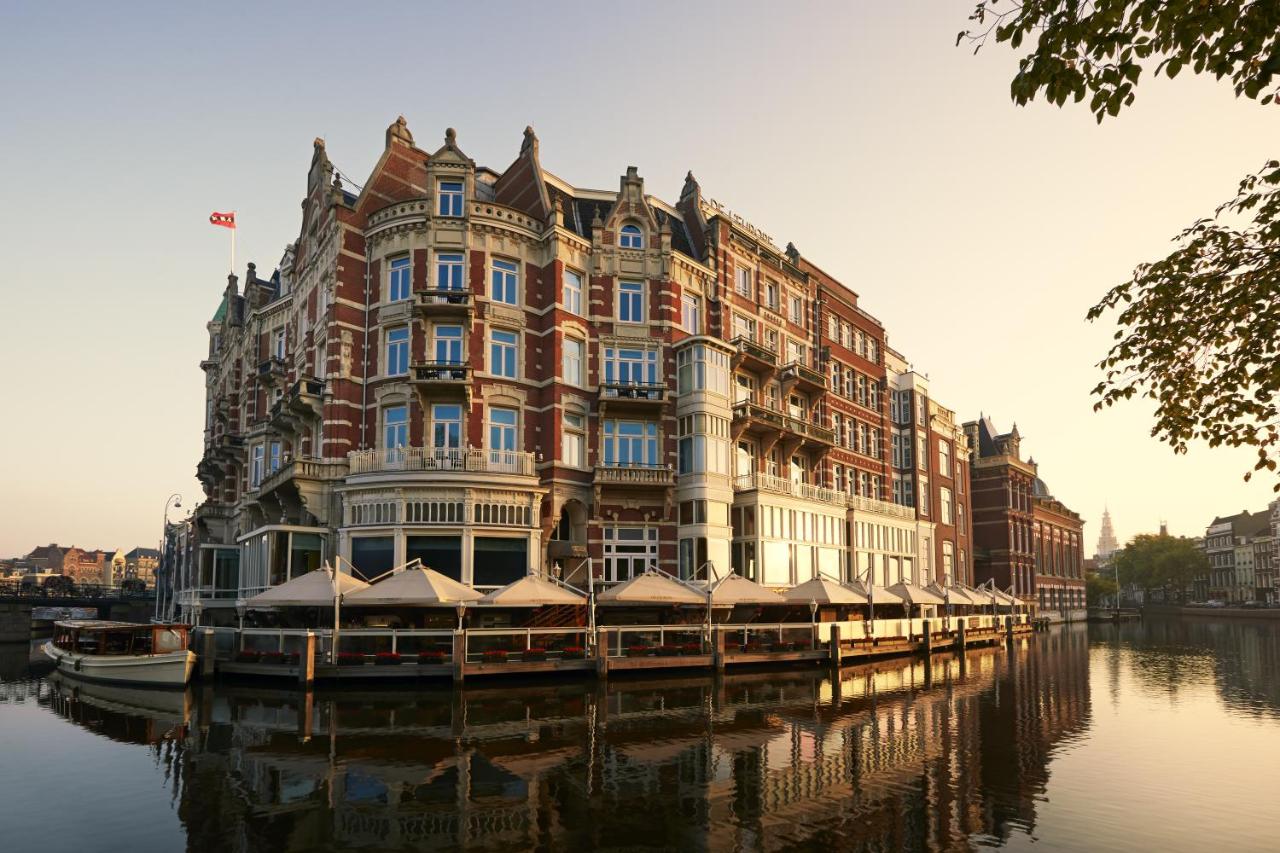
For city-specific planning, see EV-friendly hotels in Amsterdam, especially if you’re combining city charging with nearby fast hubs.
Munich (Germany): rare on-site DC up to 120 kW
- Rocco Forte The Charles Hotel (5★, 9.1/10): 43 connectors with Type 2 plus CCS and power up to 120 kW. That’s unusually high for a hotel and can save you a dedicated motorway stop when schedules are tight.
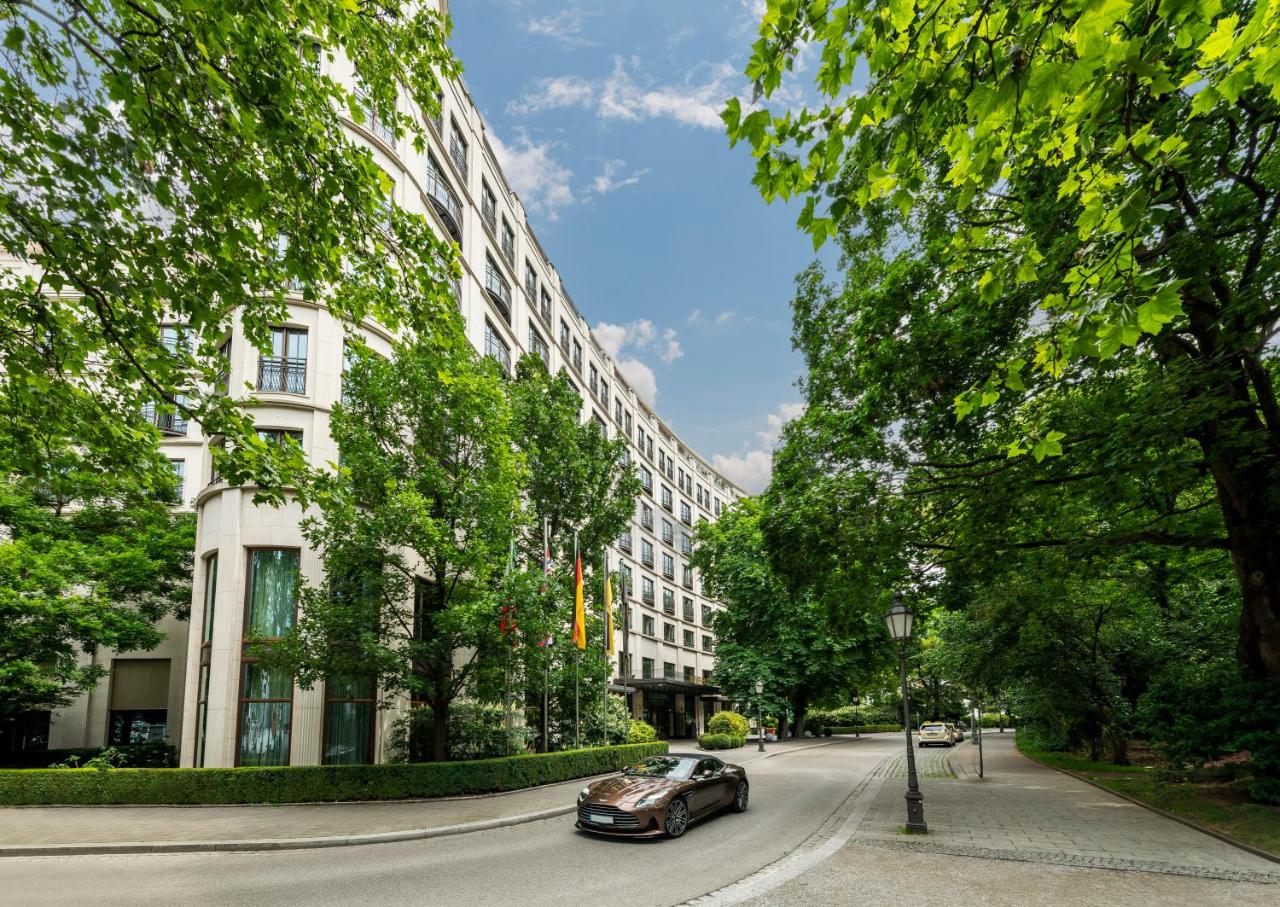
Pair it with our EV-friendly hotels in Munich listings if you want alternatives based on parking or neighborhood.
EV road trip planning checklist for departure day
A tight checklist removes friction when you’re tired, it’s raining, and you just want to plug in. This is the “no drama” setup I recommend before any multi-day electric vehicle trip.
Charging and navigation checklist
- ABRP route saved with your preferred arrival buffer (20–30% for first trips).
- PlugShare installed; recent check-ins reviewed for each planned stop.
- At least 2 charging apps set up with payment (e.g., Ionity + Shell Recharge, or Fastned + Tesla where available).
- Type 2 cable packed; any required RFID cards in wallet.
- Primary/backup stations pinned in your car’s navigation.
Safety and comfort essentials
- Water, snacks, and a small first-aid kit.
- Warm layer/blanket in winter; rain jacket for roadside charging.
- Tire pressure checked; windscreen washer topped up (winter slush can be brutal).
- Preconditioning plan: heat/cool the cabin while still plugged in at your hotel.
Common mistakes that cause range anxiety (and fixes)
Most “EV trip problems” aren’t battery problems—they’re planning problems. Fixing these habits makes trips feel boring (in the best way).
Mistake 1: trusting a single charger stop
- Fix: always identify Plan B/C DC sites within 10–20 minutes, ideally on the same motorway corridor.
Mistake 2: charging to 100% on DC every time
- Fix: run shorter sessions and rely on overnight Type 2 at a hotel with charger to finish the “slow part” while you sleep.
Mistake 3: ignoring wind, rain, and cold
- Fix: raise your arrival buffer to 25–30% in winter or storms and reduce cruising speed slightly when the car’s live arrival estimate drops.
Mistake 4: not preparing payment ahead of time
- Fix: install apps before you leave, add a card, and do a test login on Wi-Fi. In rural areas, mobile signal can be patchy.
EV road trip planning in Europe: a simple daily workflow
If you want one repeatable pattern for almost any European route, use this. It balances speed, comfort, and charger reliability.
- Set your daily goal (6–8 hours driving).
- Choose two anchor charging stops that align with meals and toilets (20–45 minutes each).
- Add one optional top-up stop if your arrival buffer is tight.
- Book a hotel with charger so you start the next day with high SoC on Type 2 (11–22 kW) or faster where available.
- Monitor live SoC prediction and adjust speed early if needed.
Do this consistently and your “EV trip plan” becomes as routine as any ICE trip—just quieter, smoother, and usually cheaper per kilometre.
FAQ: EV road trip planning and hotel charging
These quick answers are designed to be practical and consistent with real European charging conditions (Type 2 AC in cities/hotels, CCS fast charging on motorways).
Where to Stay in Barcelona
Hand-picked hotels with EV charging facilities for electric vehicle travelers
Browse all hotelsHotel El Palace Barcelona
- 47 connectors
- Up to 22kW
- Type 2
Free cancellation on most rooms
Hotel Barcelona Catedral 4 Sup
- 33 connectors
- Up to 22kW
- Type 2
Free cancellation on most rooms
De L’Europe Amsterdam – The Leading Hotels of the World
- 26 connectors
- Up to 22kW
- Type 2
Free cancellation on most rooms
Looking for more options in Barcelona?
Browse moreFrequently Asked Questions
Plan to arrive at each stop with a 20–30% state-of-charge buffer, especially on first trips or in winter. That cushion covers detours, queues, and chargers temporarily out of service. On familiar routes with many fast chargers nearby, experienced drivers sometimes reduce the buffer slightly.
Use A Better Routeplanner (ABRP) to model stops based on speed, elevation, and weather, then verify each EV charging station in PlugShare for recent check-ins and reliability. Many drivers also keep network apps like Ionity, Fastned, Shell Recharge, Allego, or Tesla ready for payment and live status.
Several shorter CCS fast charging sessions are usually faster than one long charge because most EVs slow down above about 80%. A common tactic is arriving around 10–20% and leaving at 60–80%, then relying on overnight Type 2 charging at a hotel with charger to finish recharging.
On European motorways, CCS (Combo 2) is the main standard for DC fast charging. At hotels and city car parks, Type 2 AC at 11–22 kW is most common. CHAdeMO still exists for some older vehicles, but coverage is shrinking, so CCS and Type 2 are safest for planning.
For a typical 6–8 hour driving day, plan 2–3 fast charging stops of about 20–45 minutes each, aligned with meals or breaks. Add an optional short top-up if weather, speed, or elevation reduces range. Overnight hotel charging reduces the need for extra daytime stops.