EV charging at Munich Airport is taking a big step forward in 2026: Wallbox has deployed 275 eM4 charging ports in a new charging park, supporting Munich Airport’s “Net Zero 2035” strategy. For electric vehicle drivers, airports are semi-public “stress test” locations—high turnover, time pressure, mixed vehicle types, and lots of roaming users. This rollout, delivered with AMBA Operations GmbH, is a strong signal that European hubs are moving from pilot projects to scalable, energy-efficient infrastructure.
Below, I’ll break down what this means in real-world terms: charging speed (kW), connector types (Type 2, CCS fast charging, CHAdeMO considerations), payment and interoperability trends, and how new partnerships like the Spark Alliance are making cross-border charging simpler. I’ll also highlight where to stay if you want a hotel with charger options that fit airport runs, meetings, and conference travel.
EV charging at Munich Airport 2026: what the 275 Wallbox eM4 ports change
Munich Airport’s new EV charging park is designed for scale. The headline number—275 Wallbox eM4 ports—matters because availability is often the biggest pain point at transport hubs, not the lack of a single ultra-fast unit.
Why airports are the proving ground for semi-public EV charging stations
Airports combine the complexity of public charging with the predictability of managed property. You get fleets, taxis, short-stay drivers, long-stay travelers, rentals, and staff parking—all competing for power and space.
- High utilization: chargers must survive near-constant plugging/unplugging.
- Mixed dwell times: from 20 minutes (drop-off) to several days (long-stay parking).
- Payment complexity: roaming drivers rely on cards/apps like Shell Recharge, Tesla accounts, or local CPO apps.
- Operational reliability: downtime is amplified because travelers have hard deadlines.
What “275 ports” typically means for drivers (and why it reduces queue risk)
In my experience doing EV airport runs across Germany and the Benelux, the main failure mode isn’t “no charging exists”—it’s arriving to find every bay occupied or blocked. A large multi-port deployment reduces that queue risk, especially at peak flight banks.
For travelers, this is particularly useful when your charging plan includes:
- Top-up charging before returning a rental EV.
- Buffer charging to avoid arriving home near 5–10% SOC after a late flight.
- Cold-weather margin when consumption rises on the autobahn.
Connector types and power levels: what to expect at airports
The announcement highlights Wallbox eM4 ports, which are commonly used for AC destination-style charging in managed car parks. For most European drivers, that means Type 2 compatibility is key. If you’re planning range-critical charging, remember that CCS fast charging (DC) is what delivers the quickest turnaround, while Type 2 AC is ideal for multi-hour parking.
- Type 2 (AC): common in airport car parks; great for 2–10+ hours parking.
- CCS fast charging (DC): typical for rapid highway hubs (e.g., Ionity, Fastned, Allego) and some airport forecourts.
- CHAdeMO: increasingly rare for new installs; relevant mainly for older Nissan LEAFs and a shrinking share of vehicles.
Real-world tip: if you’re arriving with 20–40% state of charge and parking for several hours, Type 2 AC at 11–22 kW can be “set-and-forget.” If you need to add 150–250 km quickly, you’ll usually prefer a DC site on the approach routes (often Ionity, Fastned, Tesla Supercharger, or Shell Recharge partners).
EV charging infrastructure news in Europe 2026: airports, fleets, and hubs
Munich’s charging park is part of a broader pattern: Europe is building charging where vehicles naturally dwell—airports, depots, multifamily housing, and highway corridors. The goal is to close the gap where EV sales have been outpacing charger installs.
Transport hub expansion beyond passenger cars
Another recent example is Energetika Ljubljana’s new park with 12 stations for electric or hydrogen city buses. That’s a reminder that infrastructure isn’t only about private cars; it’s also about public transport electrification and alternative fuels.
- Passenger hubs: airports and rail stations need many ports for predictable turnover.
- Bus depots: fewer plugs, but higher power management needs and strict dispatch schedules.
- Fleet yards: charging-as-a-service (CaaS) is growing for operators who want uptime guarantees.
Why “smart” matters: load balancing, energy storage, and grid stability
Large sites increasingly rely on smart load management. Even if every port is capable of a certain kW level, the site’s total grid connection is the limiting factor. Smart charging spreads power across vehicles to maximize the number of successful sessions.
Industry focus areas highlighted in 2026 events include:
- Smart grid integration: shifting load to off-peak windows.
- Battery-buffered stations: smoothing peak demand where grid upgrades lag.
- On-site energy storage: improving resilience and supporting renewable integration.
- Multifamily and rural solutions: addressing the “no driveway” charging gap.
EV charging at Munich Airport 2026 and cross-border roaming: what Spark Alliance signals
The other big 2026 story is interoperability. The new Spark Alliance (formed 3 February 2026) brings together IONITY, Fastned, Atlante, and Electra to simplify charging across networks—especially valuable for drivers crossing borders for work, conferences, or airport trips.
What drivers gain from cross-network partnerships
On the road, network fragmentation shows up as “app juggling,” unclear pricing, and inconsistent authentication. Partnerships generally aim to reduce friction via roaming agreements, unified discovery, or simplified payment flows.
- Better route flexibility: you can choose a station based on location and uptime, not just membership.
- Fewer accounts: less time spent registering when you’re already on a deadline.
- More predictable planning: consistent access to CCS fast charging corridors.
How this complements airport charging parks
Airport charging is often a mix of AC ports in car parks plus nearby DC hubs on motorway approaches. For Munich, that typically means you’ll combine:
- DC fast charging on the autobahn network (common providers include Ionity, Fastned, Tesla Supercharger, Allego, and Shell Recharge-operated or partner sites).
- AC Type 2 charging while parked at the airport or at a hotel with charger.
This “DC on the way + AC at destination” pattern is the most reliable strategy I use for airport trips, especially in winter or when driving a fully-loaded vehicle.
EV charging conferences in 2026: why airports and hotels matter
Conferences are where infrastructure priorities become procurement plans. The 2026 calendar shows heavy emphasis on ultra-fast charging, smart grids, and scaling deployment—exactly the themes behind big hub projects like Munich Airport.
Events shaping the next phase of charging deployment
- 6th European EV Charging Infrastructure (Jan 29, 2026, Amsterdam): ultra-fast charging, smart grids, storage, and public-private partnerships.
- EV Charging Europe 2026 (Frankfurt, date TBD): scaling infrastructure to meet 2035 targets.
- EVision 2026: Fleet Forward (Brussels): fleet electrification (still low adoption), grid support for road transport.
- Vehicle-2-Grid Conference (date TBD): V2G/V2H, smart charging, and market opportunities.
Why conference attendees should prioritize a hotel with charger
If you’re arriving by EV, the hotel becomes your “charging basecamp.” A reliable on-site EV charging station means you start each day with predictable range—especially when conference schedules run long and nearby DC chargers are busy.
- Time savings: no late-night detours to a CCS hub.
- Cost control: AC charging is often priced more steadily than peak-time DC.
- Less stress: you avoid returning to a low SOC after evening networking.
Where to stay with EV charging (Munich, Amsterdam, Brussels)
If your 2026 travel includes Munich Airport trips, charging-industry events, or cross-border driving, these Stay Fully Charged picks offer strong on-site charging specs. Each option below is a practical match for drivers who want dependable Type 2 access—and, in Munich, higher-power options including CCS fast charging up to 120 kW.
Munich: high-power hotel charging for airport runs
Rocco Forte The Charles Hotel in Munich with EV charging is one of the most EV-capable city stays I’ve seen for a premium property. With 43 connectors and charging up to 120 kW, it’s unusually well-suited to both overnight AC sessions and faster top-ups.
- Connector types: Type 2 and CCS (CCS Combo 2)
- Max power: up to 120 kW
- Best for: business travelers, airport runs, and drivers who want a high-confidence recharge window
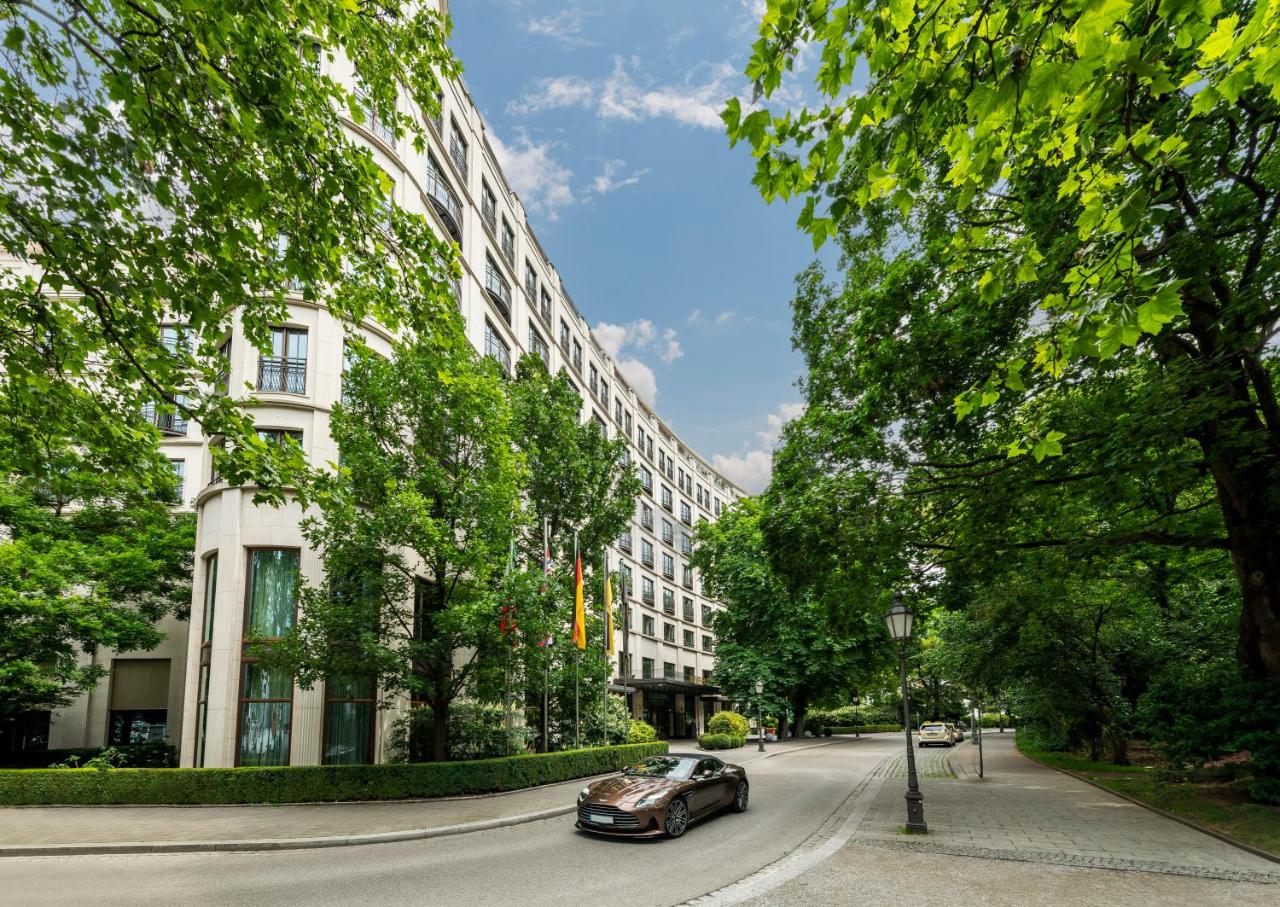
Planning a wider Bavaria itinerary? Browse EV-friendly hotels in Munich and compare charging power levels before you book.
Amsterdam: destination charging for conference travel
For Amsterdam events and meetings, De L’Europe Amsterdam with on-site EV charging offers a strong destination setup with 26 Type 2 connectors up to 22 kW. That’s ideal when your car is parked while you’re at sessions, dinners, or walking meetings.
- Connector types: Type 2
- Max power: up to 22 kW
- Best for: multi-hour charging while attending conferences or exploring the city
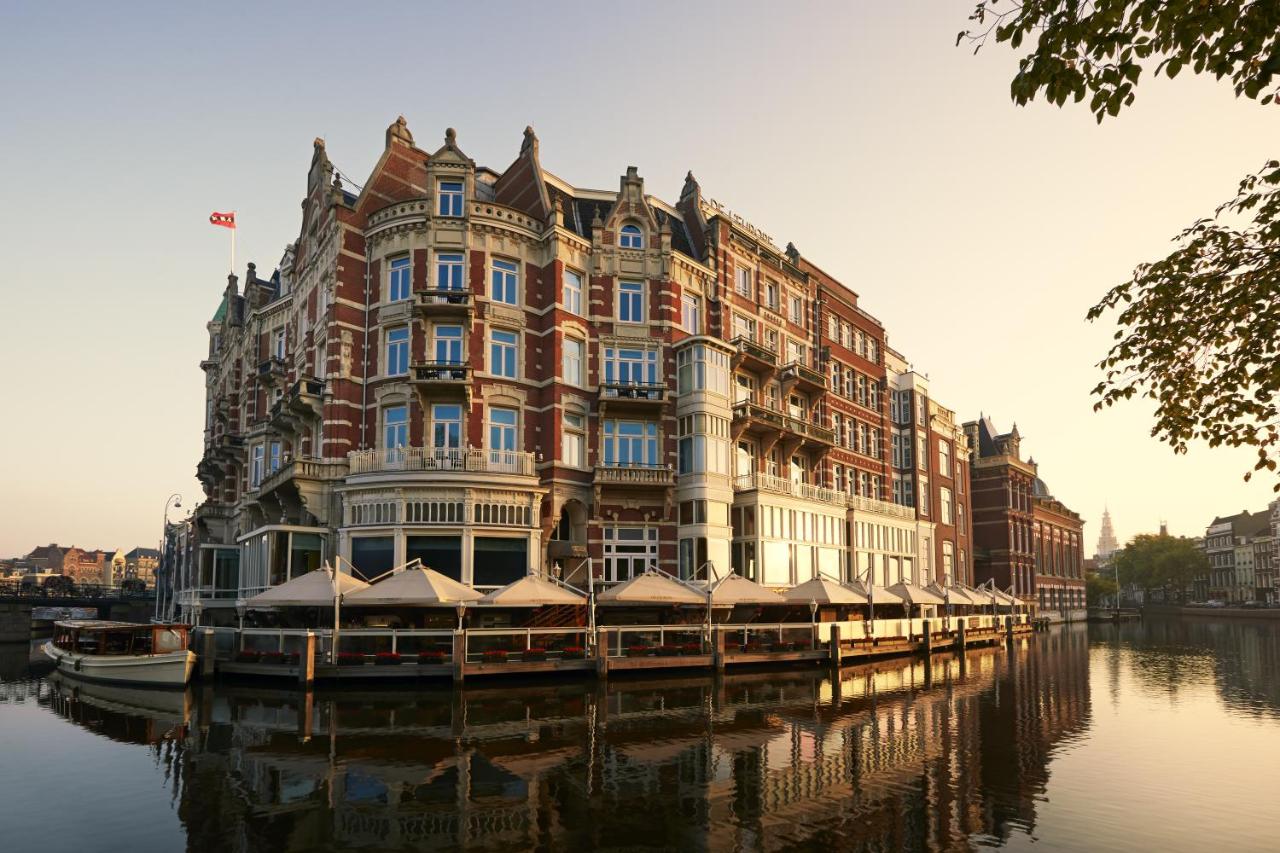
If you’re building a Netherlands route with DC stops on the way (Fastned is particularly strong here), start with EV-friendly hotels in Amsterdam for easy in-city charging.
Brussels: strong charging capacity for fleet and policy events
Brussels is a hotspot for fleet electrification conversations. Stanhope Hotel by Thon Hotels with EV charging provides 29 connectors up to 43 kW with Type 2 and Tesla compatibility—useful for mixed groups arriving in different vehicles.
- Connector types: Type 2 and Tesla
- Max power: up to 43 kW
- Best for: business stays, fleet-focused events, and predictable overnight range recovery

For a luxury option near Brussels’ key sights and meeting areas, Hotel Amigo, a Rocco Forte Hotel with EV charging stands out with a huge charging footprint: 127 connectors up to 22 kW, supporting Type 2 and Tesla.
- Connector types: Type 2 and Tesla
- Max power: up to 22 kW
- Best for: high availability needs (busy schedules, late arrivals, multiple EVs)
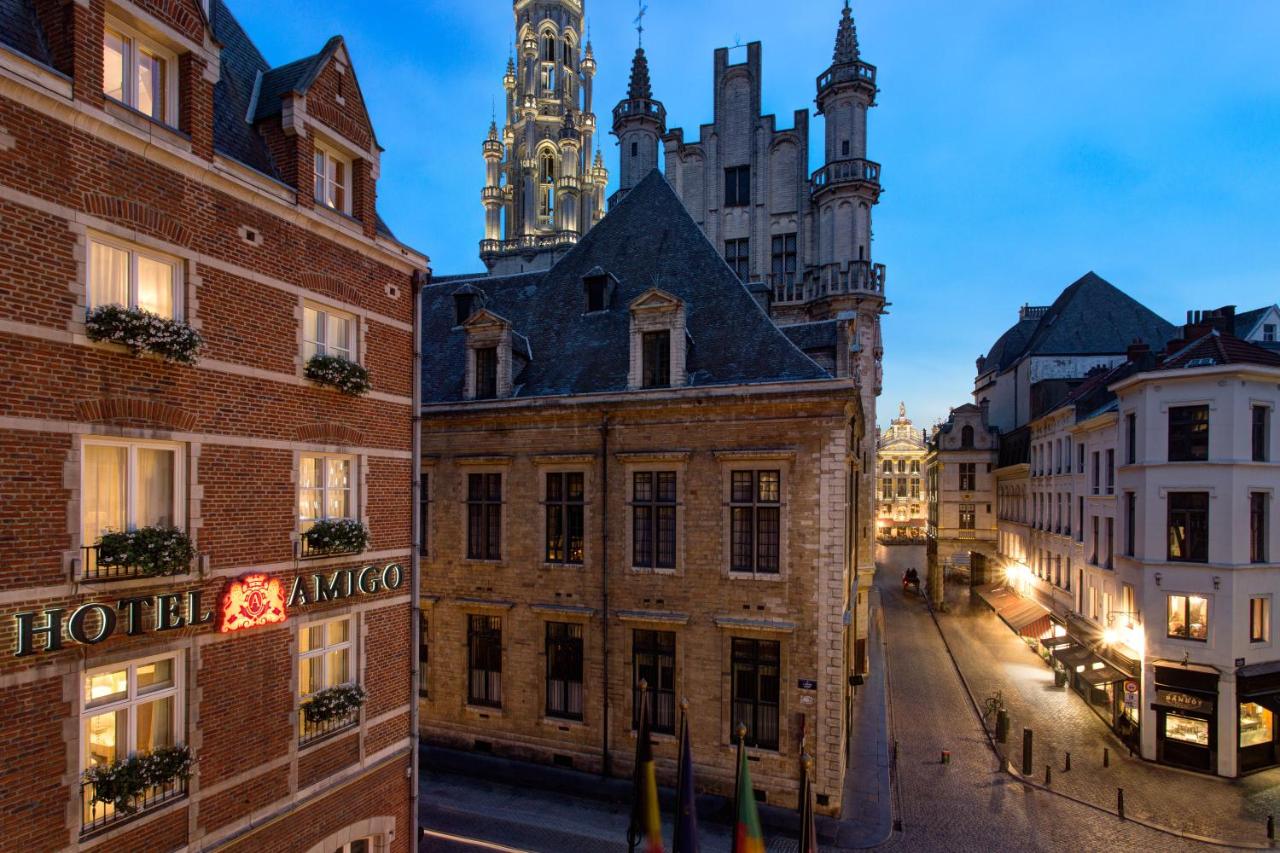
To expand your options, explore EV-friendly hotels in Brussels or browse hotels with EV charging in Belgium for road trips that cross into the Netherlands, France, or Germany.
EV charging at Munich Airport 2026: practical range planning for travelers
Large airport charging parks are great—but the best results come from a plan that matches your dwell time. Below are practical approaches I use when driving to airports like Munich, Frankfurt, or Brussels.
Choose AC vs CCS fast charging based on your parking duration
- Parking 6–72 hours: prioritize Type 2 AC charging (11–22 kW is often enough to leave full).
- Parking under 2 hours: consider a CCS fast charging stop on the approach route instead.
- Returning a rental: top up earlier to avoid searching for a compatible port at the last minute.
Build redundancy into your charging plan
Even at well-managed sites, bays can be ICEd or temporarily offline. I plan with a “Plan B” charger within 10–15 minutes, typically a DC hub on a motorway corridor (Ionity, Fastned, Tesla Supercharger, Allego, or Shell Recharge partners depending on country).
- Arrive with a buffer (ideally 15–25% SOC).
- Know your nearest CCS fast charging alternative.
- Carry a Type 2 cable if your vehicle requires it for AC posts.
Costs and payment: what’s changing in 2026
Pricing varies widely by operator, roaming agreement, and whether you pay via app, RFID card, or ad-hoc method. In many countries, AC Type 2 pricing is per kWh (sometimes with time-based overstay fees), while DC is often higher per kWh due to demand charges and infrastructure costs.
- Ad-hoc payment: convenient but sometimes pricier.
- Roaming cards/apps: Shell Recharge-style solutions can simplify cross-border travel.
- Network-native apps: Ionity, Fastned, and Tesla often offer smoother activation at their own sites.
What Munich Airport’s Wallbox deployment means for Europe’s Net Zero goals
Munich Airport’s “Net Zero 2035” framing is important: charging isn’t just a convenience feature; it’s enabling infrastructure for shifting ground access from combustion to electric. Airports influence regional mobility patterns because they concentrate trips and fleets.
Scalability and energy efficiency: why this project is a benchmark
- Scale: 275 ports show confidence in demand growth, not just compliance.
- Operational model: partnership with an operator (AMBA Operations GmbH) supports maintenance and uptime.
- Energy strategy alignment: smart load control supports grid constraints and renewable integration.
The bigger picture: from “more chargers” to “better charging outcomes”
Europe’s next phase is less about isolated installs and more about user outcomes: high uptime, predictable access, transparent pricing, and enough power where it matters. Large hubs plus roaming partnerships (like Spark Alliance) are two of the most direct ways to reduce friction for everyday drivers.
FAQ: EV charging at Munich Airport (and hotel charging) in 2026
Bottom line: EV charging at Munich Airport is becoming meaningfully easier in 2026 thanks to the 275-port Wallbox eM4 deployment. Pair that with cross-network progress like Spark Alliance and a well-chosen hotel with charger, and airport EV travel gets closer to the “it just works” standard drivers expect.
Where to Stay in Munich
Hand-picked hotels with EV charging facilities for electric vehicle travelers
Browse all hotelsHotel Amigo, a Rocco Forte Hotel
- 127 connectors
- Type 2 and Tesla
- Up to 22kW
Free cancellation on most rooms
De L’Europe Amsterdam – The Leading Hotels of the World
- 26 connectors
- Type 2
- Up to 22kW
Free cancellation on most rooms
Stanhope Hotel by Thon Hotels
- 29 connectors
- Type 2 and Tesla
- Up to 43kW
Free cancellation on most rooms
Looking for more options in Munich?
Browse moreFrequently Asked Questions
Munich Airport has added a major charging park with 275 Wallbox eM4 charging ports as part of its Net Zero 2035 strategy. This increases availability for travelers and supports scalable, semi-public charging. Always confirm live status and parking rules before arrival.
Most European airports and hotels primarily offer Type 2 AC connectors for destination charging. For rapid charging, look for CCS fast charging (CCS Combo 2) on motorway corridors or select city hotels. CHAdeMO is less common on new installs but may exist at legacy sites.
Hotel charging is typically AC via Type 2 at 11–22 kW, designed for multi-hour parking. CCS fast charging is DC and commonly ranges from 50 kW to 350 kW at networks like Ionity and Fastned. Use hotels for overnight recovery and CCS for quick top-ups en route.
Often yes. Many drivers rely on network apps (Ionity, Fastned, Tesla) or roaming solutions such as Shell Recharge to activate chargers and access consistent pricing. Some stations also support ad-hoc payment, but it can be more expensive. Check payment methods before your trip.
In winter, plan for higher consumption and aim to arrive with a 15–25% battery buffer. Combine a reliable CCS fast charging stop on your approach route with Type 2 charging while parked. Keep an alternate charger within 10–15 minutes in case bays are occupied or offline.
