EV charging travel hubs 2026 are shifting from “nice-to-have” plugs to serious, scalable infrastructure at airports, hotels, and motorway stops. The standout headline is Munich Airport’s new charging park: 275 Wallbox eM4 charging ports supporting its “Net Zero 2035” strategy. At the same time, Europe’s charging scene is converging on ultra-fast charging, smart grid integration, and comfort-first hubs—exactly what EV drivers need for predictable, cross-border travel.
Having driven EV routes across Germany, the Netherlands, Belgium, and France, I’ve seen how the best trips happen when charging is built into the journey: reliable connectors (Type 2 and CCS), clear pricing, and amenities that make a 15–40 minute stop feel effortless. Below is what these 2026 developments mean in practice—and where to stay if you want a hotel with charger close to major business and travel venues.
EV charging travel hubs 2026: Munich Airport’s 275-port leap
Munich Airport’s deployment of 275 Wallbox eM4 ports is a major signal that airports are moving beyond token installations. Large-scale “semi-public” charging at transport hubs improves throughput for passengers and supports airport fleets, staff, and service partners without overloading local capacity through smarter energy management.
What Wallbox eM4 at an airport typically solves
- Scale: Hundreds of ports reduce the “charger hunt” in peak travel periods.
- Operational flexibility: Airports can allocate bays for passengers, staff, and service vehicles.
- Energy efficiency: Smart load management helps avoid expensive grid spikes.
- Net-zero alignment: Infrastructure becomes a practical tool toward “Net Zero 2035” goals.
Why airports are becoming EV charging stations you can plan around
In 2026, airports increasingly function like mini-cities: parking, retail, logistics, and public transport all in one place. Adding charging at scale makes them dependable waypoints for longer routes—especially when paired with motorway ultra-fast networks like IONITY, Fastned, Allego, Shell Recharge, and Tesla Supercharger sites on approach roads.
For drivers, the practical takeaway is simple: when an airport invests in hundreds of charge points, it’s not just PR. It usually means more consistent uptime, clearer site rules, and better support processes—key factors when you’re arriving with low state of charge after a winter Autobahn run.
EV charging travel hubs 2026: Ultra-fast charging and “hub” design
The European EV charging landscape in 2026 is being shaped by three parallel forces: EV adoption growth, grid constraints, and consumer expectations. Charging is no longer just “power delivery”—it’s a user experience that must work for families, fleet drivers, and business travel.
Ultra-fast charging: where CCS fast charging fits
For most modern European EVs, CCS fast charging is the backbone of long-distance travel. While hotels typically provide AC charging (often Type 2 at 11–22 kW), motorway and travel hubs are increasingly designed around higher-power DC stops—often 150 kW to 350 kW on networks such as IONITY and Fastned.
- AC (Type 2, 11–22 kW): Best for overnight stays or multi-hour parking.
- DC (CCS, 50–350 kW): Best for en-route charging and tight schedules.
- CHAdeMO: Still relevant for some older models, but decreasing in new deployments.
Smart grid integration and battery-buffered stations
Grid limitations are pushing operators to deploy smarter solutions, including load balancing, dynamic pricing, and in some locations battery-buffered charging. Battery buffers can reduce peak draw from the grid while still providing high-power bursts to vehicles—a common approach when site upgrades lag behind demand.
From a driver’s perspective, these technologies matter because they influence:
- Speed consistency: Less chance of throttling at busy sites.
- Pricing transparency: Better session data and fewer billing surprises.
- Reliability: Sites designed as hubs often invest more in maintenance and redundancy.
Comfort-focused hubs: the new baseline for travel charging
Across France and beyond, operators are pairing EV charging with amenities—cafés, seating, WiFi, and clean facilities. Examples include charging hubs on Vinci Autoroutes with providers like Allego, and premium concepts such as IONITY Oasis. This reflects a shift: drivers choose stops based on experience as much as kW.
For trip planning, it’s increasingly rational to align charging stops with meaningful breaks rather than “fastest possible” chargers in isolation.
EV charging travel hubs 2026: Partnerships that reduce cross-border friction
One of the biggest pain points in European EV travel has been app overload: multiple accounts, different tariffs, and inconsistent roaming. In 2026, network partnerships are attacking that friction directly.
Spark Alliance: IONITY, Fastned, Atlante, and Electra
Announced on 3 Feb 2026, the Spark Alliance links major charging networks (IONITY, Fastned, Atlante, and Electra) to simplify cross-border charging. The strategic goal is scale plus a more seamless driver experience—exactly what you want when you’re hopping from Germany into the Netherlands or Belgium on a tight schedule.
- Why it matters: fewer account hurdles and better interoperability expectations.
- What to still check: pricing model, idle fees, and whether your preferred payment method is supported.
How I plan routes in 2026 (real-world driver workflow)
Even with better roaming, I still plan around redundancy. I aim for hubs with multiple stalls and a backup within 10–20 km, especially in winter when consumption rises.
- Pick a primary hub (e.g., IONITY or Fastned) based on stall count and amenities.
- Set a backup hub on another network (Shell Recharge, Allego, Tesla Supercharger where compatible).
- Choose accommodation with AC charging so I start the day at 80–100% without queue risk.
EV charging travel hubs 2026: Buses, fleets, and Vehicle-to-Grid momentum
Public transport electrification and fleet charging are accelerating infrastructure maturity. These sectors demand high uptime and predictable scheduling—pressure that benefits everyone through better grid planning and investment.
Hitachi Energy Grid-eMotion Flash (Italy expansion)
Italy is deploying Hitachi Energy Grid-eMotion Flash charging for electric buses in Genoa (2026) and Vicenza (2027). It’s the fourth market after Switzerland, France, and Australia, with 55+ points operational worldwide. This signals continuing investment in high-utilization charging where downtime is costly.
V2G and smart charging: flexibility becomes valuable
Vehicle-to-Grid (V2G) and smart charging are increasingly discussed as tools for grid flexibility. Providers such as The Mobility House and Octopus Energy are active in enabling managed charging models. Research points to hundreds of market opportunities across Europe as adoption grows.
- Short-term reality: Most travelers will encounter smart charging first via load-managed hotel AC chargers.
- Mid-term impact: Better load balancing means more ports at hotels and hubs without massive grid upgrades.
EV charging travel hubs 2026: Conferences driving standards and scale
Industry conferences matter because they influence procurement, partnerships, and standardization. In 2026, major events are heavily focused on ultra-fast charging deployment, digitalization (CaaS), and bridging grid gaps to meet 2035 zero-emission targets.
Amsterdam: 6th European EV Charging Infrastructure 2026
- Ultra-fast charging expansion and business models (Charging-as-a-Service).
- Solutions for rural coverage and multi-family housing.
- Practical interoperability topics that affect drivers: payment UX and uptime reporting.
Frankfurt: EV Charging Europe 2026
- Scaling toward an expected tens-of-millions EV parc by 2030.
- Grid readiness and investment strategies for 2035 goals.
- Use cases around travel hubs near airports and major road corridors.
Brussels: EVision 2026 (Fleet Forward)
- Fleet electrification (still a small share of Europe’s total), and the charging implications.
- Depot vs public charging trade-offs.
- Policy alignment across regions—important for cross-border logistics.
Vehicle-to-Grid Conference
- Smart charging standards, aggregators, and grid services.
- Interoperability between vehicles, chargers, and utilities.
- How pricing incentives can shift load to off-peak hours.
Where to Stay with EV Charging: hotels built for travel hubs (2026)
If your itinerary includes airports, conference venues, or city-to-city driving, a hotel with charger is often the difference between a smooth morning departure and a stressful detour to a busy DC hub. The best strategy is to use AC charging overnight (Type 2, typically 11–22 kW) and save CCS fast charging for the motorway.
Explore curated listings by destination, including hotels with EV charging in Germany and city collections like EV-friendly hotels in Munich or EV-friendly hotels in Amsterdam.
Munich: premium base near a major airport charging expansion
For Munich trips that combine city driving with airport logistics, Rocco Forte The Charles Hotel in Munich with EV charging stands out for higher-power options: up to 120 kW and both Type 2 and CCS connectors. That mix is ideal if you arrive late and still want a faster top-up than typical hotel AC.
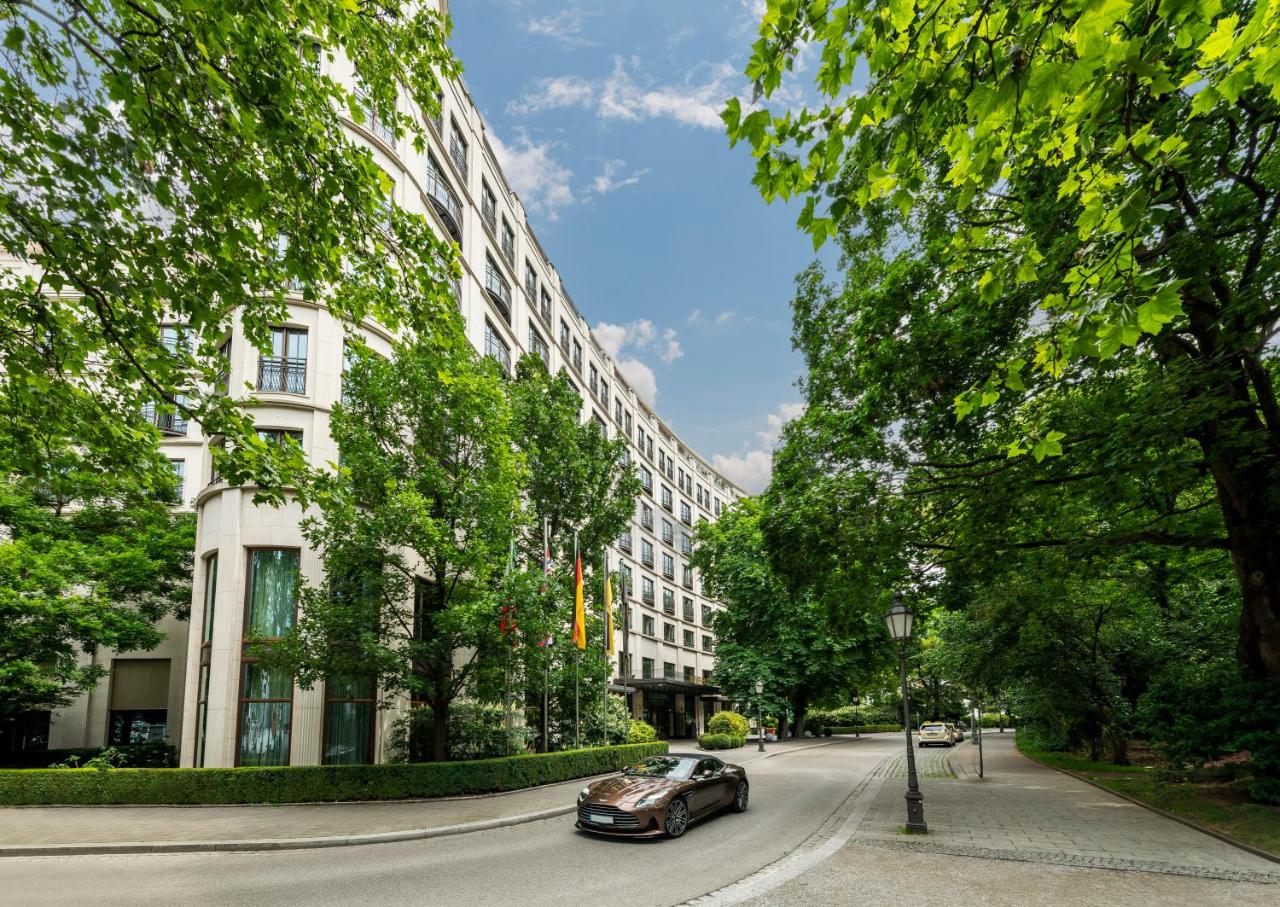
- Connectors: Type 2 + CCS Combo 2
- Power: up to 120 kW
- Why it’s useful: flexibility for overnight AC or quicker DC-style top-ups (where available on-site)
Amsterdam: dependable Type 2 charging for city stays
In Amsterdam, where conference travel and dense urban driving can make public charging competitive at peak times, De L’Europe Amsterdam with on-site EV charging offers multiple Type 2 connectors up to 22 kW. That’s a practical overnight rate for most EVs, adding meaningful range by morning without hunting for curbside availability.
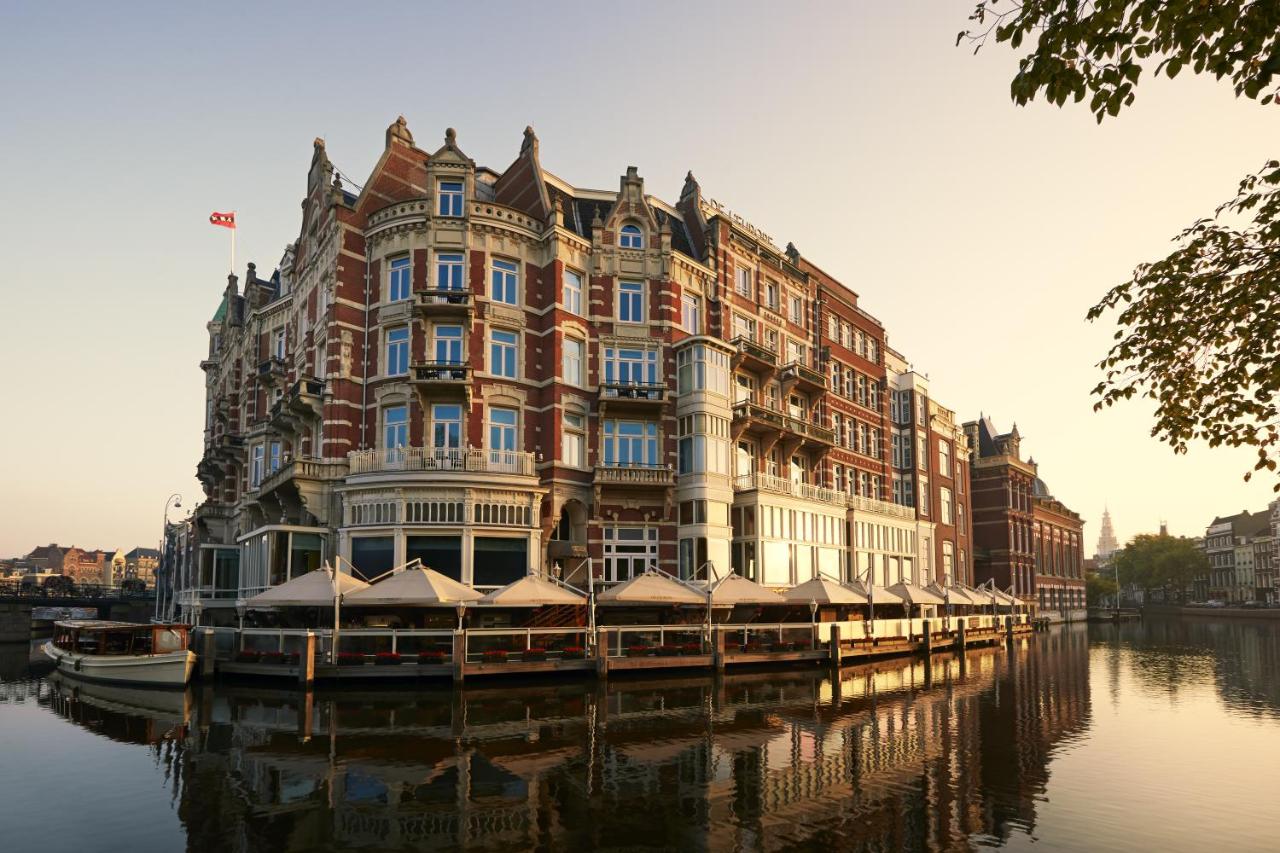
- Connectors: Type 2
- Power: up to 22 kW
- Best for: charging while you sleep—then using DC hubs (Fastned/IONITY) for intercity legs
Brussels: strong options for business travel and fleets
Brussels is a frequent stop for fleet and policy discussions, making reliable hotel charging valuable for delegates arriving from neighboring countries. For a high-end stay, Hotel Amigo in Brussels with EV charging lists extensive on-site capacity with Type 2 and Tesla connectors up to 22 kW.
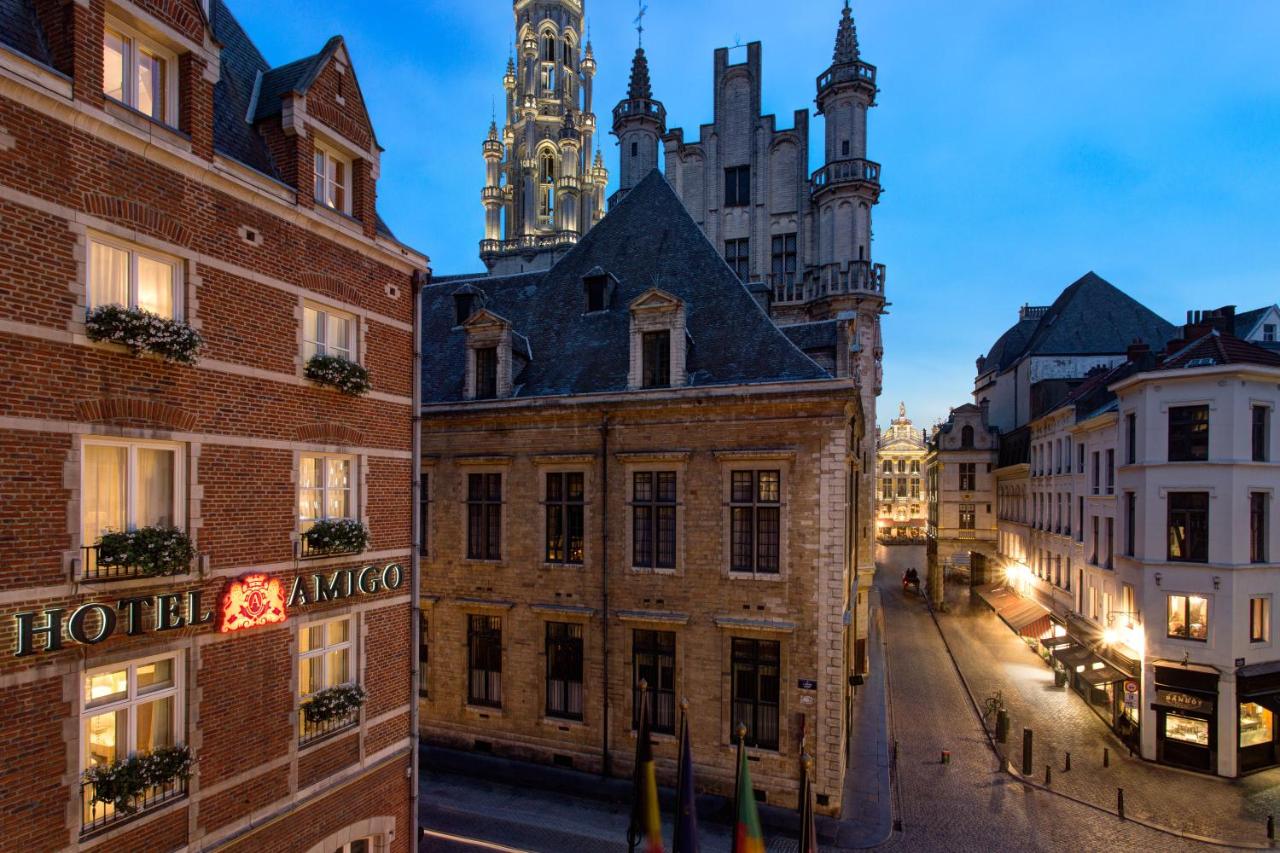
- Connectors: Type 2 + Tesla
- Power: up to 22 kW
- Good fit: multi-day stays where you want predictable charging without moving the car
Another strong choice is Stanhope Hotel by Thon Hotels in Brussels with EV charging, offering Type 2 and Tesla connectors up to 43 kW—not ultra-fast DC, but notably quicker than standard 11 kW AC when your vehicle supports higher AC intake.

- Connectors: Type 2 + Tesla
- Power: up to 43 kW
- Why it matters: faster AC can reduce “time-to-ready” for next-morning departures
To browse more options in the capital, use EV-friendly hotels in Brussels and the country hub for hotels with EV charging in Belgium.
EV charging travel hubs 2026: Practical route planning for airports + hotels
When your trip includes an airport (drop-offs, rentals, or meetings), your charging plan needs two layers: a hub layer (fast, redundant) and an overnight layer (slow, guaranteed). The 2026 trend toward larger, smarter hubs makes the first layer easier—hotels complete the second.
A simple airport-trip charging blueprint
- Arrive with buffer: target 10–20% extra state of charge to absorb detours or queues.
- Use DC hubs on approach: CCS fast charging on IONITY/Fastned/Allego reduces time risk.
- Finish at the hotel: Type 2 at 11–22 kW (or higher AC where supported) gets you to a strong morning departure SOC.
Connector and vehicle notes (avoid common mistakes)
- Type 2 is the default for AC hotel charging across much of Europe—bring your cable if your car requires it.
- CCS is the most common standard for DC fast charging; confirm your vehicle’s peak kW and temperature limitations in winter.
- CHAdeMO availability is shrinking at new hubs; if you drive a CHAdeMO vehicle, identify backups earlier.
- Tesla connectors: some hotels list Tesla plugs alongside Type 2; verify compatibility for non-Tesla vehicles in advance.
EV charging travel hubs 2026: What to expect next (and what to watch)
By the end of 2026, the winners in charging will be operators and venues that combine scale, reliability, and comfort. The headline deployments—like Munich Airport’s 275 ports—show that “destination charging” can be industrialized when a site commits to it.
Three indicators of a great hub (driver checklist)
- Redundancy: multiple stalls/ports, not a single point of failure.
- Clear UX: straightforward payment, visible pricing, and accurate status reporting.
- Amenities: toilets, food, seating, and lighting—especially for night arrivals.
How Stay Fully Charged fits into the 2026 reality
As hubs scale and partnerships reduce friction, the remaining “make-or-break” factor becomes the overnight plan. Booking an EV-ready hotel means you’re less dependent on peak-time public charging and more able to drive Europe on your schedule.
Start with your destination pages—like EV-friendly hotels in Munich and EV-friendly hotels in Amsterdam—then filter for connectors and kW that match your vehicle.
EV charging travel hubs 2026 FAQ
Where to Stay in Munich
Hand-picked hotels with EV charging facilities for electric vehicle travelers
Browse all hotelsHotel Amigo, a Rocco Forte Hotel
- 127 connectors
- Type 2 and Tesla
- Up to 22kW
Free cancellation on most rooms
De L’Europe Amsterdam – The Leading Hotels of the World
- 26 connectors
- Type 2
- Up to 22kW
Free cancellation on most rooms
Stanhope Hotel by Thon Hotels
- 29 connectors
- Type 2 and Tesla
- Up to 43kW
Free cancellation on most rooms
Looking for more options in Munich?
Browse moreFrequently Asked Questions
Munich Airport’s new charging park uses 275 Wallbox eM4 ports designed for semi-public environments like airports. That typically supports both operational users (staff and fleets) and passenger parking areas, depending on signage and access rules. Always confirm the specific car park zone and any session limits before arrival.
Most European hotels provide AC charging via Type 2 connectors, commonly 11–22 kW. Some properties also list Tesla connectors, and a smaller number offer CCS fast charging on-site. CHAdeMO is increasingly rare at new installations, so CHAdeMO drivers should plan alternative public fast chargers nearby.
Hotel charging costs vary by property: some bundle it with parking, while others bill per kWh or per session. AC Type 2 charging at 11–22 kW is usually cheaper than motorway DC charging on networks like IONITY or Fastned. Ask whether idle fees apply and whether charging requires validation at reception.
If the hotel has limited bays or you arrive late, reserving a charging spot is a smart move. Even hotels with many Type 2 ports can see peak demand during conferences. When booking, request written confirmation of charger access, connector type, and any parking restrictions so you don’t depend on public charging at check-in.
Plan around redundant hubs: choose a primary CCS fast charging stop (e.g., IONITY or Fastned) and a backup on another network such as Shell Recharge, Allego, or Tesla Supercharger where compatible. Then book a hotel with Type 2 charging to start the next day at high state of charge and reduce queue risk.
