EV hotel charging in Europe is no longer just a “nice-to-have” socket in a corner of the car park. In 2026, the best hotel charging setups look and feel like integrated mobility hubs: dozens of connectors, clear access rules, reliable uptime, and amenities that make a 20–40 minute top-up genuinely useful—WiFi, food, and workspaces, echoing the “charging as an experience” concept popularised by Ionity-style corridor hubs.
From my own EV trips across Germany and the Netherlands, the biggest difference in 2026 is consistency. Hotels in major travel nodes are standardising around Type 2 AC for overnight charging and adding CCS fast charging (often 50–120kW on-site, with 150–350kW on nearby motorways via networks like Ionity, Shell Recharge, Tesla Supercharger, Fastned, and Allego). This shift is also being pushed by regulation and funding—especially AFIR and the move toward ISO 15118 readiness.
EV hotel charging 2026: what’s changing fastest
In practical terms, 2026 is the year hotel charging stops being “one charger for the whole property” and becomes a capacity game: more bays, better power sharing, and simpler access. For travelers, this means fewer awkward conversations at reception and fewer late-night hunts for an open public charger.
From overnight top-ups to “charging as an experience”
The new hotel playbook mirrors what drivers already like at premium HPC (high-power charging) sites on the motorway: arrive, plug in, use the time well, leave with meaningful range. Hotels are bundling charging with the same things I personally look for when stopping for 30 minutes in winter: warmth, toilets, coffee, and fast WiFi.
- 20–40 minute stops work when the hotel offers food, a lobby workspace, and clear wayfinding to the EV charging station.
- Late-arrival fast charging (e.g., up to 120kW on-site) reduces dependence on nearby hubs—handy when you land late or hit traffic.
- Overnight AC charging stays essential for city breaks: park once, wake up full (or comfortably topped up).
AFIR + ISO 15118: why hotels are future-proofing
Regulatory momentum is accelerating hardware upgrades. With AFIR (Alternative Fuels Infrastructure Regulation) raising expectations for public charging and ISO 15118 becoming increasingly central—especially for future “Plug & Charge” and V2G-ready ecosystems—many properties are choosing equipment that won’t feel obsolete in two years.
- ISO 15118 is tied to smoother authentication (“Plug & Charge”) and future flexibility for smart energy services.
- Hotels often start with guest-only access, but choose hardware capable of transitioning to public/semi-public operation later.
- Where applicable, this pairs naturally with load balancing so many cars can charge overnight without tripping site limits.
Smart tariffs and load balancing (what it means for drivers)
Smart energy management is the quiet hero of 2026. Rather than advertising one big number, the best sites deliver dependable overnight charging for many vehicles at once, using dynamic power allocation across Type 2 points.
- Type 2 AC is still the backbone: typically 11kW or 22kW per point, dynamically shared across many bays.
- Hotels can offer time-of-use pricing or charging-inclusive rates while protecting the building’s peak load.
- For drivers, the win is simple: more “available now” bays and fewer blocked chargers.
EV charging station growth: why Amsterdam & Munich lead
City hubs with high EV adoption, busy airports, and strong grid coordination are pulling ahead. Amsterdam and Munich are excellent examples in 2026 because they combine urban demand (business travel + leisure) with mobility infrastructure and conference activity that keeps the industry focused on practical deployments.
Amsterdam: dense city demand + scalable hotel capacity
Amsterdam’s central hotel market is increasingly “EV-native”: lots of guests arrive by electric vehicle, expect simple Type 2 access, and don’t want to hunt for a street charger. The best properties respond with many connectors and predictable rules.
- More multi-connector installations reduce queueing compared with single dual-socket posts.
- AC-centric setups match typical city schedules: dinner, sleep, and a full battery by morning.
- For road-trip continuity, Amsterdam is also well connected to corridor HPC networks like Ionity and Fastned outside the center.
If you’re planning a trip, start by browsing EV-friendly hotels in Amsterdam and narrow down by connector type and kW.
Munich: airport influence + fast-charging hotel upgrades
Munich stands out because airport-region charging growth spills into the hotel ecosystem. The region’s push toward lower-emission transport (and large-scale charging deployments around airport operations) encourages nearby properties to compete on charging quality—not just room quality.
- More guests arrive late from flights or long autobahn legs and need CCS fast charging now, not tomorrow.
- Hotels that combine Type 2 overnight with some higher-kW options become natural mobility hubs.
- Munich’s position on southern Germany routes means drivers commonly compare hotel charging versus corridor options like Tesla Supercharger, Ionity, Allego, and Shell Recharge.
To see what’s available, use EV-friendly hotels in Munich and filter for Type 2 and CCS where relevant.
EV hotel charging vs motorway HPC in 2026 (what to use when)
The smartest 2026 strategy is mixing hotel charging with public fast charging. I typically use hotel Type 2 as my “slow, guaranteed refill” and motorway hubs as my “rapid top-up” when transit time matters.
When hotel Type 2 (11–22kW) is the best choice
- Overnight stays: Even 11kW can add substantial range over 8–10 hours; 22kW is excellent if your car supports it.
- City breaks: Park once, charge while you explore, and avoid moving the car to public posts.
- Predictability: Multiple Type 2 bays often beat a single fast charger in real availability.
When CCS fast charging (50–120kW+) wins
- Late arrival with low state-of-charge: you want meaningful range quickly.
- Back-to-back driving days: you may need a stronger buffer before an early departure.
- Cold weather: charging curves can slow; having higher site power can still help reduce total dwell time.
Connector reality check: Type 2, CCS, and CHAdeMO
Across most of Europe in 2026, Type 2 (AC) and CCS Combo 2 (DC) are the default choices for new installations. CHAdeMO is still relevant for some older models, but it’s increasingly rare at hotels—so CHAdeMO drivers should verify availability and plan a nearby backup network stop.
- Type 2: ideal for overnight charging; common at hotels.
- CCS fast charging: ideal for rapid top-ups; increasingly appearing at premium hotels and always common at motorway hubs.
- CHAdeMO: declining in new deployments; plan carefully if your EV depends on it.
EU funding and standards: why rollout speeds up in 2026
Two forces are moving the market: money and compliance. With significant EU-level investment (including a widely cited €600 million push for charging and hydrogen infrastructure) and the ongoing effects of AFIR, the “how fast can we build?” question is increasingly about grid coordination and permitting—not about whether demand exists.
What €600 million in infrastructure support changes on the ground
Funding doesn’t just buy chargers. It helps fix the bottlenecks that EV travelers actually feel: delayed connections, inconsistent hardware choices, and fragmented site design.
- Grid upgrades and better coordination allow hotels to install more connectors without compromising building operations.
- Permitting improvements reduce time-to-live for new sites—especially in high-demand corridors.
- Standardisation improves driver experience: clearer payment, better uptime expectations, and more consistent connector availability.
Why hotels care about ISO 15118 even for guest charging
Even when chargers are “for guests only,” hotels want equipment that fits the direction of travel: plug-and-charge capability, smarter authentication options, and future compatibility with energy services. In practice, the biggest benefit for drivers is fewer app/payment hassles as standards mature.
- More future-proof installs reduce the chance a hotel’s EV charging station feels outdated mid-lease.
- Better interoperability pairs well with roaming platforms (e.g., Shell Recharge) and OEM ecosystems.
- Over time, this supports simpler “arrive, plug in, walk away” behavior—what hotel charging should be.
Where to Stay with EV Charging (Amsterdam & Munich)
If you want the least stressful hotel-with-charger experience, prioritise connector count first, then match kW to your schedule. In my experience, a property with 20+ Type 2 bays often beats a single higher-power unit because you’re far less likely to queue or negotiate with other guests.
Amsterdam EV hotel charging: high connector counts in the center
De L’Europe Amsterdam – The Leading Hotels of the World is a strong choice for central stays where overnight top-ups are the goal. With 26 Type 2 connectors up to 22kW, it’s designed for multiple guest vehicles charging at once rather than a single “token” charger.
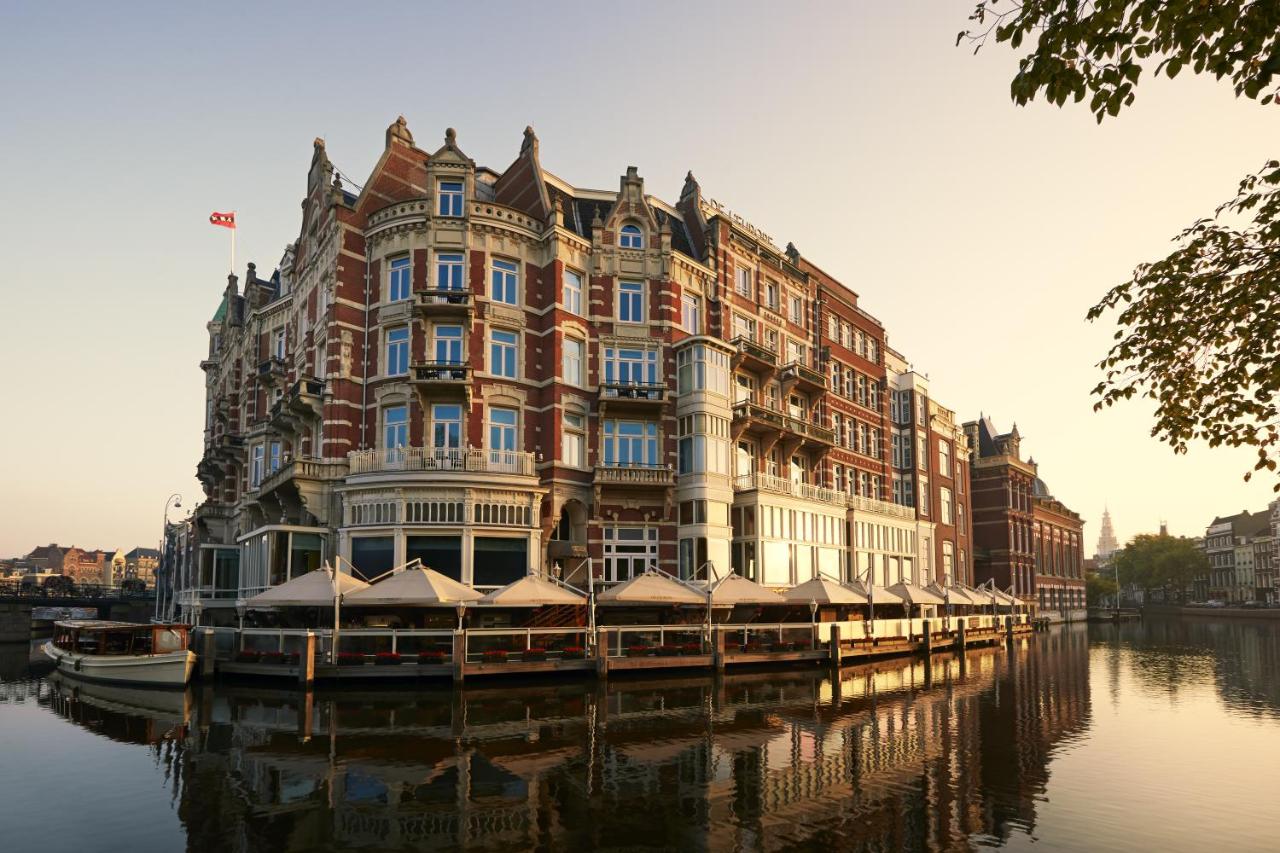
Anantara Grand Hotel Krasnapolsky Amsterdam stands out on pure scale: 70 Type 2 connectors with speeds up to 38.4kW. That kind of capacity is exactly what reduces the real pain point in cities—arriving and finding everything occupied.

- Best for: city breaks, meetings, and overnight replenishment.
- Connector focus: Type 2 AC (bring your Type 2 cable if required by the site setup).
- Practical tip: confirm how bays are reserved/managed at check-in to avoid ICEing or blocked access.
Munich EV hotel charging: overnight + faster top-up options
Rocco Forte The Charles Hotel is a rare hotel setup that aligns with what drivers want after a long autobahn day: lots of bays (43 connectors) and meaningful speed, with charging up to 120kW using both Type 2 and CCS Combo 2. This is particularly useful for late arrivals who don’t want an extra stop at an Ionity or Allego site.
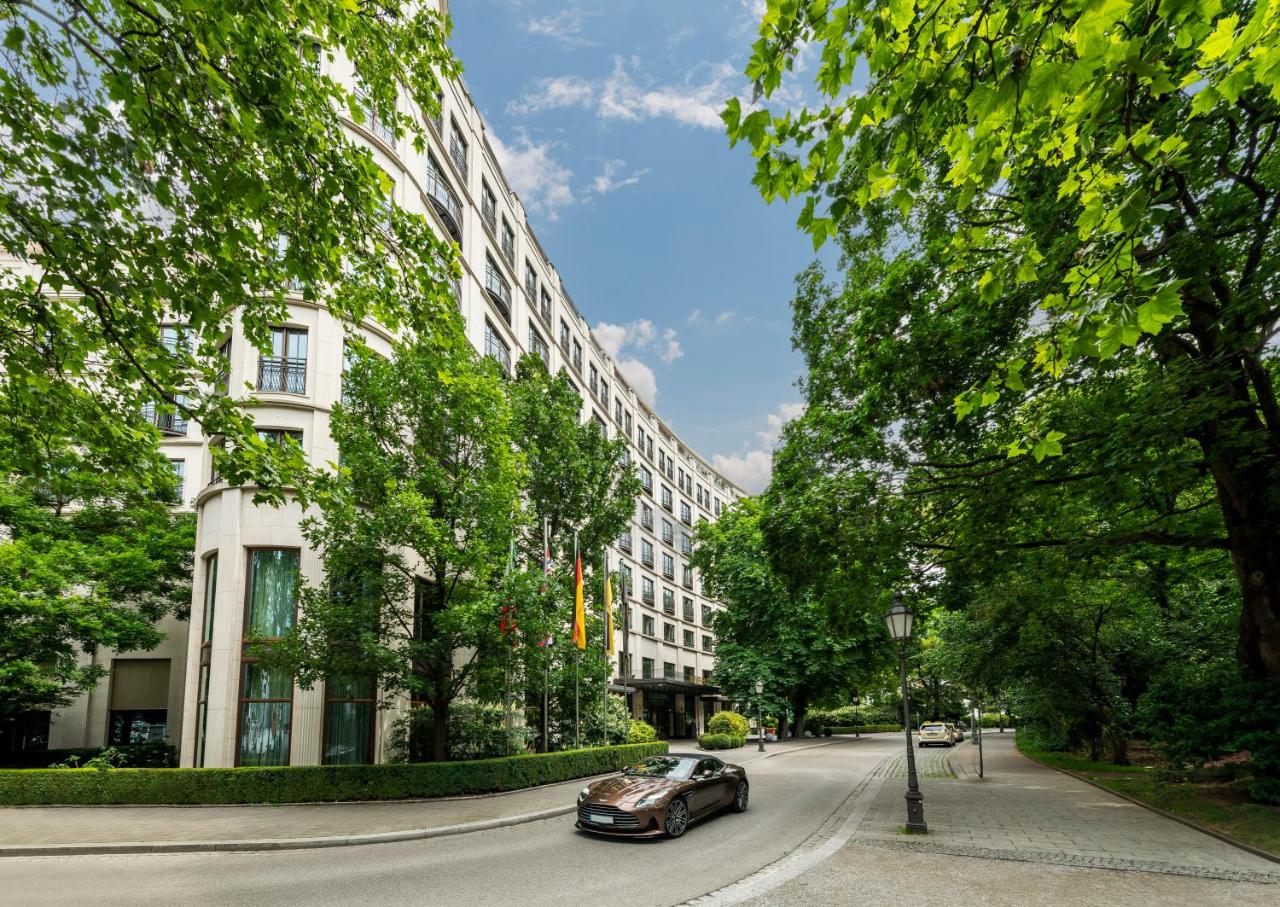
Mandarin Oriental, Munich is a reliable premium option for overnight charging, offering 43 connectors up to 22kW with Type 2 and Tesla compatibility. If your plan is “park, sleep, leave charged,” this kind of AC-heavy setup is ideal.

- Best for: business travel, event stays, and early departures.
- Connector focus: Type 2 everywhere; CCS available at select sites; Tesla compatibility can simplify things for Tesla drivers.
- Practical tip: if you need fast charging, confirm whether 120kW is available 24/7 and how access is controlled.
For more options beyond these highlighted stays, browse hotels with EV charging in Germany and hotels with EV charging in Netherlands to compare connector types and speeds by destination.
How to choose a hotel with charger in 2026 (my checklist)
Specs are useful, but real-world convenience depends on policies and layout. I’ve learned to ask two questions before booking: “How many connectors are there?” and “How is access managed at peak times?”
Booking checklist: availability beats headline kW
- Connector count: 10+ is good; 20+ is excellent in a busy city.
- Connector type: Type 2 for overnight; CCS fast charging if you need a quick turnaround; check CHAdeMO if your car requires it.
- Power delivery: ask whether power is shared (load balanced) and what typical real-world speeds guests see.
- Access rules: reservation system, valet-only, ticketed barrier, or first-come-first-served.
- Pricing: per kWh, per hour, or included in a package; clarify idle fees if any.
Planning with public networks as backup
Even with great hotel charging, I plan a backup within 10–15 minutes. In Europe, that usually means identifying a nearby site from Shell Recharge, Ionity, Tesla Supercharger, Fastned, or Allego, especially if arriving late.
- Arrive low? Use CCS fast charging first, then hotel AC overnight.
- Arrive moderate? Plug into Type 2 and let load balancing do the work.
- Need certainty? Choose hotels with high connector counts to reduce queue risk.
Hotels as EV infrastructure hubs: what comes next
The direction of travel is clear: hotels will keep scaling connector counts and improving energy intelligence, while motorway corridors keep concentrating on 150–350kW ultra-fast hubs. For drivers, the winning combination is a dependable hotel EV charging station at night and fast corridor charging in transit.
What to expect in late 2026 and beyond
- Amenity bundles: charging-inclusive rates, lounge access during top-ups, or meal credits tied to charging sessions.
- Smarter power management: better load balancing, site batteries, and solar integration to stabilise peak demand.
- Standards-first upgrades: more ISO 15118-ready equipment as the ecosystem matures.
The data gap: rural and small properties
One important caveat: most high-confidence data points still come from flagship city hotels and major travel hubs. Rural and smaller properties are improving, but visibility and standardisation are uneven—so it’s worth using a platform that lists connector counts and power, not just “EV charging available.”
FAQ: EV hotel charging in Europe 2026
Where to Stay in Amsterdam
Hand-picked hotels with EV charging facilities for electric vehicle travelers
Browse all hotelsDe L’Europe Amsterdam – The Leading Hotels of the World
- 26 Type 2 connectors
- Up to 22kW AC charging
Free cancellation on most rooms
Rocco Forte The Charles Hotel
- 43 connectors (Type 2 + CCS Combo 2)
- Up to 120kW charging
Free cancellation on most rooms
Mandarin Oriental, Munich
- 43 connectors (Type 2 + Tesla)
- Up to 22kW AC charging
Free cancellation on most rooms
Looking for more options in Amsterdam?
Browse moreFrequently Asked Questions
EV hotel charging in 2026 typically means multi-bay charging designed for real guest demand: multiple Type 2 AC points for overnight charging and, in top hubs, some CCS fast charging on-site. Many hotels also add load balancing and clearer access rules so charging is available without queueing.
Type 2 is enough for most hotel stays because 11–22kW over several hours can restore significant range overnight. CCS is most useful when you arrive late with a low battery or need a quick turnaround. If your EV uses CHAdeMO, confirm availability because it’s less common at hotels.
Most hotel EV charging stations are AC Type 2 at 11kW or 22kW, optimised for overnight charging. Some premium properties now add faster options; for example, select hotels in major hubs can offer CCS charging up to around 120kW. Real speeds may vary due to load balancing.
Yes. In 2026, leading hotels in Amsterdam and Munich are installing large connector counts to reduce wait times. Examples include hotels with 20+ Type 2 points for overnight charging and, in Munich, some properties adding CCS fast charging for late arrivals. Always verify access rules at check-in.
Indirectly, yes. AFIR raises expectations for interoperability and future-proof public charging, and ISO 15118 supports features like Plug & Charge and future V2G readiness. Even when chargers are guest-only, many hotels choose hardware aligned with these standards to avoid early obsolescence and simplify the driver experience.
