EV road trips Europe have gone from “possible with patience” to genuinely enjoyable. With 600,000+ public charge points reported across Europe by mid-2025 (EU reporting), you can now plan summer loops that feel as simple as ICE travel—if you build in peak-season reality like queues, heat, and tourist congestion. I’ve driven these corridors in everything from a Tesla Model 3 to a VW ID.4-class EV, and the winning formula is consistent: reliable CCS fast charging on motorways, slower Type 2 charging where you sleep, and a route plan that avoids arriving at 2% in the hottest hour of the day.
Below are 10 EV-friendly European road trips for summer travel, each with distance, highlights, and real charging strategy using networks you’ll actually see on the ground—Ionity, Tesla Supercharger, Shell Recharge, Fastned, Allego, Enel X, TotalEnergies, Iberdrola, and Endesa X. Use A Better Routeplanner (ABRP) for routing and PlugShare for recent check-ins, then plan for 20–30% extra consumption from AC, heat, traffic, and luggage.
EV road trips Europe: how to plan for summer
Summer (June–August) is the best time for scenic passes, lakes, and coastal drives, but it’s also the most competitive season for chargers in tourist hotspots. The goal is to spend less time “hunting” and more time enjoying destinations.
Charging basics that matter on long routes
- Prioritise CCS fast charging (typically 100–350 kW) for en-route stops on motorways.
- Sleep where you can charge: a hotel with charger (usually Type 2 AC 7–22 kW) turns the morning into a “full tank” start.
- Arrive with buffer: aim to reach fast chargers with ~10–20% SOC, not 1–5%, to stay flexible if a site is busy or down.
- Charge in the curve: most EVs charge fastest from ~10–55/60% SOC; multiple short fast-charging stops can beat one long session.
Summer efficiency: what to expect in real driving
Heat, high speeds, and stop-start traffic can cut range faster than people expect. In my experience, a realistic summer penalty is often 10–20%, and it can reach 20–30% with sustained AC use, full cabin, and mountainous climbs.
- Pre-cool while plugged in (hotel AC or public AC post) to reduce initial consumption.
- Use eco HVAC and set 22–24°C rather than “LO” in 35°C conditions.
- Leverage regen on Alpine and fjord descents—great for net energy, but don’t expect it to “pay back” steep climbs fully.
Apps and networks to rely on
- ABRP: best for modelling consumption, elevation, wind, and charger stops.
- PlugShare: fastest way to see whether a specific stall is working today.
- Network apps/RFID: Ionity, Shell Recharge, Tesla, Fastned, Allego, Enel X, TotalEnergies—keep at least two options ready for roaming.
EV road trips Europe: 10 top summer routes
These routes are selected for charger density, straightforward legs for a 300–500 km-range EV, and peak-summer appeal (lakes, coast, wine regions, mountains). Distances are route totals; day-to-day legs can be split further for flexibility.
1) Grand Tour of Switzerland (1,600 km loop)
Why it works for electric vehicle travel: Switzerland is one of the easiest Alpine countries for EV touring because chargers are dense in cities and major corridors, and you can design shorter segments between lake towns.
- Distance: ~1,600 km (loop)
- Summer highlights: Alpine passes, 22 lakes, Matterhorn views, 12 UNESCO sites, Abbey of Saint Maurice
- Charging strategy: Use motorway DC hubs (often 150–350 kW where available) and rely on town AC for top-ups. Expect excellent coverage around Basel and Zürich.
- EV tip: Keep legs short (e.g., Bern–Zürich) to avoid peak-pass traffic surprises; regen is helpful on descents, but climb consumption is still real.
2) Germany’s Romantic Road (350 km)
This is a low-stress starter road trip: manageable distance, lots of charming stops, and generally predictable terrain. It also pairs well with an extension into the Black Forest if you want more driving days.
- Distance: ~350 km (point-to-point)
- Summer highlights: vineyards, castles, wine festivals; Würzburg Residence, Rothenburg ob der Tauber, Harburg Castle
- Charging strategy: Use DC stops on approach corridors, then Type 2 AC in towns for sightseeing hours. Look for CCS fast charging near Würzburg and Füssen area hubs.
- EV tip: Flat-ish terrain keeps consumption stable—ideal for drivers new to planning charging sessions.
3) Germany’s Fairy Tale Road (600 km)
Forests, hiking weather, and storybook towns make this a summer favourite. The route’s larger distance rewards planning around a few dependable fast-charging anchors rather than improvising late in the day.
- Distance: ~600 km
- Summer highlights: Grimm World Kassel, Sababurg Castle, Kellerwald-Edersee, Bremen
- Charging strategy: Plan DC stops around major towns (Hanau, Kassel, Bremen). Keep a backup charger saved in PlugShare in case a site is busy.
- EV tip: Consider a cross-border loop into France (Vosges) if you’re comfortable with roaming payments and app switching.
4) Norway: Bergen to Ålesund Fjords (400 km)
Norway is a benchmark EV country, and the fjord roads feel made for electric driving: quiet cruising, controlled speeds, and frequent towns. Summer brings long daylight hours and fewer weather disruptions.
- Distance: ~400 km
- Summer highlights: waterfalls, fjord viewpoints, coastal drives, midnight sun further north
- Charging strategy: Expect plentiful fast chargers in towns and ports; plan around 150 kW+ where possible for quick turnarounds.
- EV tip: Cooler coastal temperatures can help range, but steep climbs will spike consumption—drive a little slower and you’ll often save a full charging stop.
5) Netherlands: Rotterdam to Groningen (300 km)
The Netherlands is one of Europe’s easiest countries for an EV road trip. The combination of dense urban charging, flat geography, and strong network competition makes routing forgiving—even with detours.
- Distance: ~300 km
- Summer highlights: Rotterdam architecture, Amsterdam canals, Zaanse Schans windmills
- Charging strategy: Mix DC hubs (e.g., Fastned-style motorway sites) with abundant Type 2 AC in cities. You’ll rarely be forced into a single charging location.
- EV tip: Flat roads deliver excellent efficiency; if your EV shows 16–18 kWh/100 km in mild weather, you may see similar numbers even in summer.
6) Slovenia: Ljubljana to Piran (250 km loop)
Slovenia is compact, green, and surprisingly EV-friendly for its size. You can combine mountains, rivers, vineyards, and the Adriatic in a week without ever feeling “far” from a charger.
- Distance: ~250 km (loop, easily extendable)
- Summer highlights: Julian Alps, Soča Valley, Vipava Valley, Piran’s coast
- Charging strategy: Charge in Ljubljana before heading into the valleys; top up again near the coast where demand rises in summer weekends.
- EV tip: If you plan rural stays, bring a portable EVSE that can use safe, properly rated outlets—use only where permitted and electrically sound.
7) Italy: Rome to Amalfi Coast (300 km)
This is a high-reward route with one caveat: summer traffic and heat. In practice, early July often feels smoother than August, and planning your charging windows around mornings and late afternoons makes a big difference.
- Distance: ~300 km
- Summer highlights: Colosseum, Naples, Pompeii, Mount Vesuvius, Salerno
- Charging strategy: Prioritise reliable DC sites on approach roads and charge before entering dense coastal zones. AC Type 2 overnight charging helps avoid daytime queues.
- EV tip: Hills + AC can add 10–20% consumption—arrive at the coast with extra buffer so you’re not forced to fast charge at peak times.
8) Spain: Barcelona to Costa Brava (200 km)
Short distance, big payoff: beaches, charming towns, and quick access to art and history. It’s also a great way to test your hotel-charging routine before attempting longer Iberian drives.
- Distance: ~200 km
- Summer highlights: Barcelona, Girona, Figueres (Dalí), Cadaqués, coves along the coast
- Charging strategy: Use city charging to start full, then rely on corridor chargers and destination charging. Common operators include Iberdrola and Endesa X.
- EV tip: If you extend into France via the Pyrenees, plan an uphill leg with a larger buffer and enjoy regenerative braking on the descent.
9) France: Route Napoléon (Cannes to Grenoble) (300 km)
This inland alternative to the fastest autoroutes is ideal for drivers who want mountain scenery without committing to the highest Alpine passes. It’s also a strong option for stitching together France–Italy itineraries.
- Distance: ~300 km
- Summer highlights: Côte d’Azur start, lavender landscapes, mountain towns
- Charging strategy: Lean on dependable motorway-style networks such as Ionity and TotalEnergies when you need fast, predictable CCS charging.
- EV tip: Scenic climbs are slower but more efficient than high-speed motorways; you may find you need fewer kWh than expected despite elevation.
10) Italy: Chianti Wine Route (SR222) (100 km loop)
This is the perfect “easy mode” EV holiday: short daily distances, long lunches, and plenty of time to charge slowly. It also combines well with wider Tuscany routes if you want 7–10 days.
- Distance: ~100 km (loop; extendable)
- Summer highlights: Tuscan villages, vineyards, sunset viewpoints
- Charging strategy: Use town AC and hotel Type 2 charging; for faster sessions, look for DC sites along larger regional roads. Networks commonly include Enel X and Tesla infrastructure where accessible.
- EV tip: Avoid arriving at wineries with very low SOC—rural charging can be slower or limited compared with cities.
EV road trips Europe: charging networks, connectors, and speeds
Most modern European electric vehicle travel revolves around CCS for DC fast charging and Type 2 for AC charging. CHAdeMO still appears (especially for older Nissan Leafs), but it’s less common at new high-power sites.
Connector types you’ll actually use
- Type 2 (AC): common at hotels and city posts; typically 7–22 kW. Great overnight or during long sightseeing stops.
- CCS fast charging (DC): standard for most European EVs; commonly 50–350 kW depending on the site and your car’s peak.
- CHAdeMO: legacy DC connector; still useful in some regions, but plan backups if your car depends on it.
Networks to look for on summer corridors
- Ionity: frequent on major European motorways; often high-power (up to 350 kW stalls).
- Tesla Supercharger: excellent reliability; access depends on your vehicle and site rules (many sites now support non-Tesla).
- Fastned: prominent in the Netherlands and expanding; user-friendly sites designed for quick stops.
- Shell Recharge and Allego: broad coverage and roaming options in multiple countries.
- Enel X (Italy), TotalEnergies (France), Iberdrola and Endesa X (Spain): helpful for local coverage beyond motorways.
Peak-season tactics to avoid queues
- Charge earlier: stop at 25–35% SOC rather than waiting for 10% near the busiest resort town.
- Prefer larger sites: more stalls usually means less queue risk, even if it’s 5–10 minutes off-route.
- Hotel charging = time shift: slow charging while you sleep removes pressure from daytime fast chargers.
Where to stay with EV charging (hotels with charger)
On summer EV road trips Europe, the easiest win is booking a hotel with charger so you start each day at a high state of charge. AC charging at Type 2 speeds (often up to 22 kW) is usually more than enough overnight, and it protects you from morning queues at highway DC sites.
Barcelona: ideal base for Costa Brava EV trips
If your route includes Barcelona or the Costa Brava, choose a property with ample connectors so you’re not competing with other guests for a single post.
- Hotel El Palace Barcelona (5★, 9.4/10) offers 47 connectors up to 22 kW and supports Type 2, CCS, CHAdeMO, and Tesla connectors.
- Hotel Barcelona Catedral 4 Sup (4★, 9.3/10) has 33 connectors up to 22 kW, also covering Type 2, CCS, CHAdeMO, and Tesla.
Browse more options for EV-friendly hotels in Barcelona and expand your itinerary across hotels with EV charging in Spain.


Amsterdam: effortless charging on a Netherlands road trip
For the Rotterdam–Groningen corridor, Amsterdam is a convenient overnight stop with exceptional public charging density. Picking a hotel with multiple Type 2 points reduces the chance you’ll arrive to find all bays occupied.
- Anantara Grand Hotel Krasnapolsky Amsterdam (5★, 9.0/10) provides 70 connectors up to 38.4 kW (Type 2), which is unusually high power for AC and excellent for quick overnight replenishment.
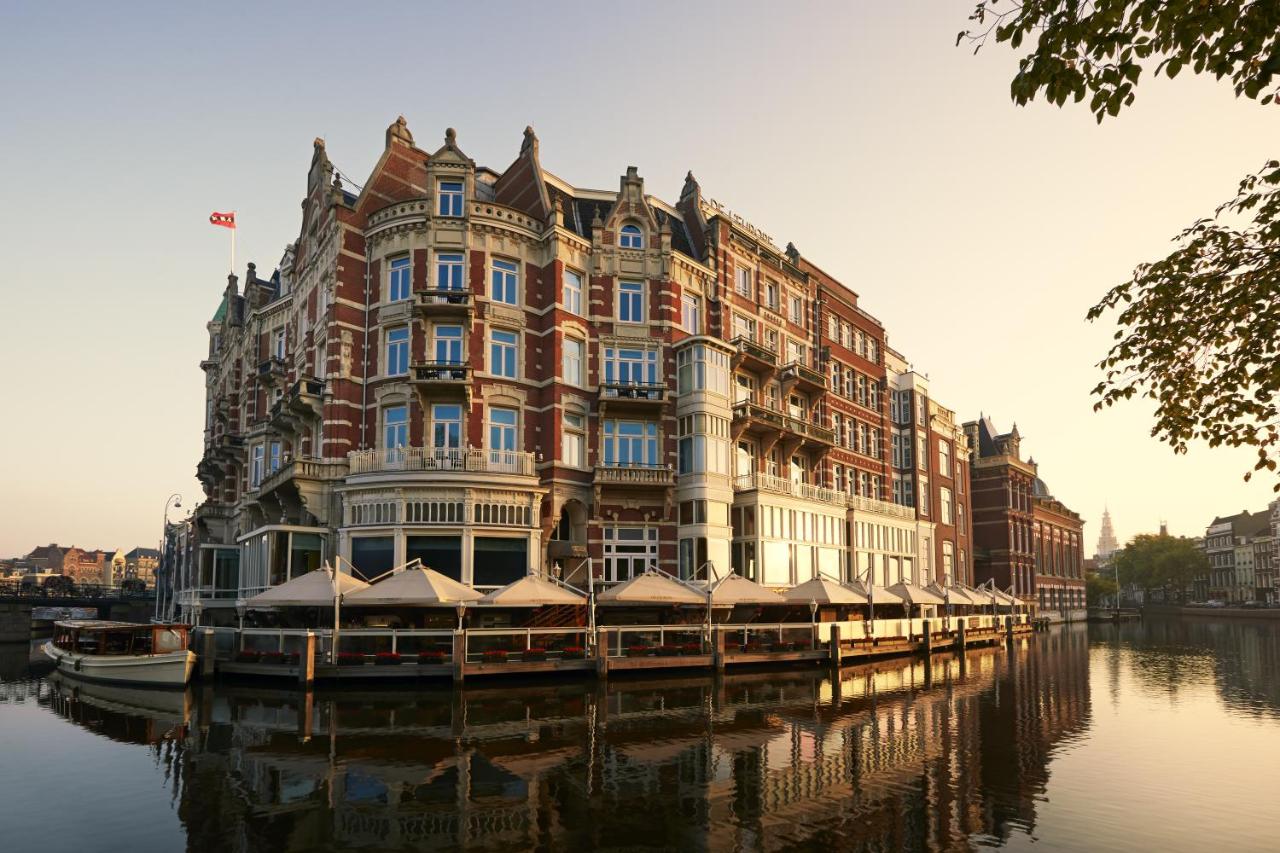
- De L’Europe Amsterdam – The Leading Hotels of the World (5★, 9.2/10) offers 26 Type 2 connectors up to 22 kW—a strong match for a full overnight charge.
See more EV-friendly hotels in Amsterdam if you’re building a multi-night Netherlands plan.

EV road trips Europe: day-by-day rhythm that works
The most reliable summer rhythm is to combine one fast DC session during the day with slower charging at night. It keeps the trip flexible and avoids wasting vacation time sitting at a charger when beaches, hikes, or museums are calling.
A simple daily charging template
- Morning: leave the hotel at 80–100% after Type 2 charging.
- Midday: do one CCS fast charging stop (15–30 minutes) during lunch or a break.
- Afternoon: arrive with 20–40% buffer so detours don’t cause stress.
- Night: plug in again at your hotel with charger for a slow, cheap top-up.
Cost expectations and practical notes
- Typical public charging cost: widely varies by country and plan, but multi-country road trips often average roughly €0.20–0.40/kWh depending on subscriptions and AC vs DC usage.
- Cross-border readiness: roaming, pre-authorisation holds, and different app ecosystems are normal—keep at least two payment methods and one RFID available.
- Rental reality: Hertz/Europcar-style EV rentals can be cost-competitive in summer, but confirm which charging cards, cables (Type 2), and navigation options are included.
EV road trips Europe: destination tips for each route
Use these practical notes to fine-tune the 10 routes for summer traffic patterns, charging availability, and battery comfort.
Alps and mountains (Switzerland, France, Slovenia)
- Start climbs with margin: leave valleys with 60–80% if you’re going up a pass.
- Plan a “scenic AC charge” stop: a 22 kW Type 2 session during a long lunch can replace a DC stop later.
- Watch temperature and brakes: regen reduces brake wear on descents, but don’t over-rely—use appropriate gear/braking technique on long grades.
Coasts in peak season (Spain, Italy, France Riviera)
- Avoid arriving Saturday afternoon at coastal fast chargers—this is when queues spike.
- Charge before the final coastal stretch so you don’t depend on a single busy site near the beach.
- Heat management: pre-cool the cabin while plugged in and expect 10–20% range reduction on the hottest days.
City-heavy routes (Netherlands, Germany town routes)
- Hotel charging beats curbside hunting when parking rules are tight or bays are occupied.
- Use navigation filters for connector type (Type 2 vs CCS) so you don’t waste time at incompatible posts.
- Carry the right cable: many AC points require your own Type 2 cable.
EV road trips Europe: quick checklist before you go
- Cables: Type 2 AC cable (and any adapters your car legitimately supports).
- Apps: ABRP + PlugShare + at least one roaming app (Shell Recharge is common) plus local network apps as needed.
- Plan A/Plan B chargers: save backups for every major stop, especially in coastal summer zones.
- Hotel with charger: book early and confirm access rules (valet, reservation, paid vs free, overnight limits).
EV road trips Europe: FAQs
Tip: If you’re building a Spain itinerary around the Barcelona–Costa Brava route, locking in a hotel with multiple connectors (Type 2 + CCS/CHAdeMO/Tesla support) is one of the best ways to de-stress summer charging.
Where to Stay in Barcelona
Hand-picked hotels with EV charging facilities for electric vehicle travelers
Browse all hotelsHotel El Palace Barcelona
- 47 connectors
- Up to 22kW
- Type 2, CCS Combo 2, CHAdeMO, Tesla connectors
Free cancellation on most rooms
Hotel Barcelona Catedral 4 Sup
- 33 connectors
- Up to 22kW
- Type 2, CCS Combo 2, CHAdeMO, Tesla connectors
Free cancellation on most rooms
De L’Europe Amsterdam – The Leading Hotels of the World
- 26 connectors
- Up to 22kW
- Type 2 connectors
Free cancellation on most rooms
Looking for more options in Barcelona?
Browse moreFrequently Asked Questions
Use ABRP to build a route around reliable CCS fast charging (50–350 kW) and verify each stop in PlugShare. In summer, plan earlier charging stops to avoid queues, and book a hotel with charger (Type 2, often 7–22 kW) to start each day full.
A realistic summer penalty is often 10–20% from heat, air-conditioning, and congestion. In worst cases—full car, high speeds, and long climbs—loss can reach 20–30%. Pre-cooling while plugged in and driving slightly slower can reduce the extra consumption noticeably.
Most European EVs use Type 2 for AC charging at hotels and city posts (typically 7–22 kW) and CCS for DC fast charging on highways (often 100–350 kW). CHAdeMO still exists in some locations but is less common at new high-power sites, so plan backups if needed.
For motorway travel, Ionity and Tesla Supercharger sites are commonly chosen for consistency and speed, with Fastned strong in the Netherlands. Shell Recharge and Allego help with cross-border coverage via roaming. In Italy, Enel X is widespread, while TotalEnergies is common in France.
A hotel with charger lets you shift charging to overnight hours using Type 2 AC (often up to 22 kW), saving vacation time and avoiding peak-day queues at DC fast chargers. It also adds resilience: you start the day with a high state of charge and can handle detours or busy sites.