EV charging hotels are having a breakout year in 2026. After years of “one charger in the corner of the car park,” many European properties are installing multiple Type 2 AC bays (11–22kW) for overnight top-ups and adding CCS fast charging (50–150kW+) for guests who need a quick turnaround. On road trips, that shift is practical: I’ve repeatedly found that hotel charging can save 20–40 minutes per day compared with hunting for a public charger after check-in.
This acceleration is tied to EV adoption forecasts heading toward ~40 million electric vehicles by 2030, plus the uncomfortable reality that EV sales are rising faster than charge point installs (often cited at 3:1). Hotels have a built-in advantage—dwell time—and in 2026 they’re finally treating an EV charging station like WiFi: expected, bookable, and reliability-focused.
Below is a news-style guide to what’s changing, what to check before you book, and four standout properties in key event and business hubs—Amsterdam, Munich, and Brussels—where charging standards are already “2026-ready.”
EV charging hotels in 2026: what’s changing
Across Europe, hotel charging is shifting from a perk to infrastructure. The most noticeable change is scale: more connectors per site, better access rules, and clearer guest communication during booking.
More connectors per site (and fewer broken surprises)
The 2026 pattern is densification: hotels add more bays inside existing parking rather than building new lots. This reduces civil works and speeds up deployment, which matters when grid upgrades and permits can be the slowest part.
- Type 2 AC (11–22kW) remains the backbone for overnight stays. A typical EV arriving at 20–40% can recover a large chunk of range by morning at 11kW, and comfortably reach 80–100% at 22kW for many models.
- CCS fast charging (50–150kW+) is appearing at higher-end and business-heavy properties. It’s ideal when you arrive late and need meaningful range quickly, or when your itinerary includes meetings and short parking windows.
- Tesla connectors still show up on some hotel sites, but many properties prefer universal Type 2/CCS coverage for all brands.
Reliability improvements are part of the same trend: more bays reduce the pain of a single fault, and better monitoring means fewer “out of order” surprises when you roll in at 22:30 with 8% battery.
Hotels are outpacing public growth where it matters
Even as networks expand, demand is rising faster. On busy corridors, I’ve seen Ionity and Fastned hubs get congested at peak travel times, especially during holidays. Hotels help by shifting charging to the hours you’re parked anyway.
- Use highway HPC (Ionity, Fastned, Allego, Shell Recharge, Tesla Supercharger) for fast, predictable stops.
- Use hotel AC charging overnight so you start the day full, reducing the number of high-power stops you need.
- Keep a “backup” public option near the hotel for late arrivals or access issues.
Charging becomes bookable (and part of the hotel pitch)
Major chains—NH Hotels is a frequently cited example in 2026 expansion discussions—are increasingly advertising charging in listings and upselling it for conferences. This aligns with event-city demand, where attendees want guaranteed access rather than hoping a single charger is free.
In hubs hosting industry events like the 6th European EV Charging Infrastructure (Amsterdam, Jan 29–30) and the 4th Annual Forum (Munich, Feb 25–26), hotels are under pressure to provide charging that works for fleets, VIP transfers, and international guests.
EV charging hotels vs public networks: the 2026 strategy
The best 2026 travel routine is layered: fast DC on the motorway, then slower AC at the destination. It’s not just convenience; it’s time efficiency and stress reduction.
En route: build around reliable HPC networks
For long legs, prioritize HPC sites with multiple stalls and strong uptime. In my Europe drives, these network patterns tend to be the least risky for throughput:
- Ionity: CCS-focused high-power sites designed for long-distance travel, typically 150–350kW capable depending on location.
- Fastned: well-known for bright canopy hubs and high-power CCS; great for predictable motorway stops.
- Tesla Supercharger: excellent reliability and density; increasingly open to non-Tesla EVs in many European countries (availability varies by site and vehicle compatibility).
- Shell Recharge and Allego: broad roaming and corridor coverage; check recent user status for individual stations.
If your EV supports it, CCS fast charging is the default connector for rapid motorway stops. CHAdeMO is still present in parts of Europe but is less common at new HPC installs, so CHAdeMO drivers should plan more carefully and consider hotels with dependable AC backup.
At destination: why Type 2 AC still wins overnight
Overnight charging rarely needs 150kW. A stable 11kW Type 2 can add meaningful range while you sleep, and 22kW Type 2 is a sweet spot for many hotel car parks because it balances power, cost, and grid constraints.
Practical rule from real trips: if I can arrive with 20–30% and leave with 80–100% without moving the car at 07:00, that’s a win. Hotel AC charging is the easiest way to achieve it.
What “integration” means in 2026 (and why it matters)
When hotels say they’re integrated with networks, it typically means one or more of these:
- Roaming/payment support via apps and RFID cards (often aligned with Shell Recharge, Allego roaming, or other e-mobility service providers).
- Load management to prevent site overload when many EVs plug in simultaneously.
- Status monitoring so faults are flagged quickly and uptime improves.
For guests, the benefits are straightforward: fewer payment surprises, fewer blocked bays, and better odds that a charger actually works when you need it.
EV charging hotels: what to verify before booking
Not all “hotel with charger” claims are equal. In 2026, the right questions are less about whether a charger exists and more about whether you can depend on it.
Use this 7-point charging checklist
- Connector types: Type 2 for AC; CCS for DC fast charging; CHAdeMO only if you need it.
- Power level (kW): confirm 11kW vs 22kW for AC; 50–150kW+ for DC.
- Number of connectors: more bays reduces queue risk. In busy cities, aim for double digits when possible.
- Access rules: guest-only, valet-only, reserved bays, or public access?
- Payment method: free, room-billed, app/RFID, or third-party network payment.
- Parking policy: is charging tied to paid parking? Any time limits?
- Reliability signals: recent reviews, clear signage, and whether staff can help reset or unblock access.
Match charger type to stay type
- Overnight leisure stay: prioritize Type 2 (11–22kW) and plenty of bays.
- Business stop (short dwell): look for CCS fast charging (50–150kW+) on-site or within a few minutes.
- Fleet/conference travel: prioritize very high connector counts and clear access management.
EV charging hotels in Amsterdam, Munich & Brussels (2026)
These four properties represent what “good” looks like in 2026: high connector counts, practical power levels, and locations that make sense for conferences and city breaks. If you want to compare more options, start with our city collections for EV-friendly hotels in Amsterdam, EV-friendly hotels in Munich, and EV-friendly hotels in Brussels.
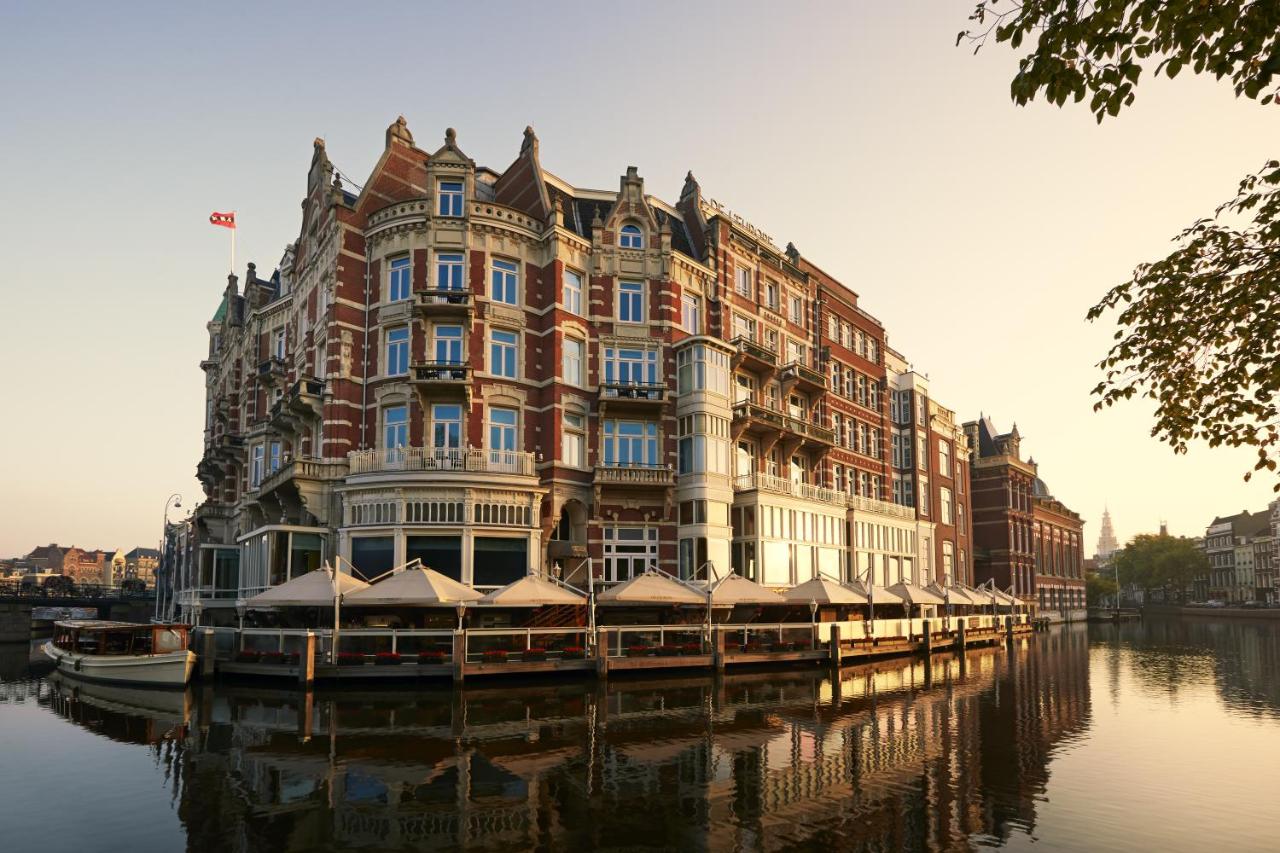
Amsterdam: De L’Europe (26x Type 2 up to 22kW)
Amsterdam has one of Europe’s most mature AC charging ecosystems, and De L’Europe Amsterdam – The Leading Hotels of the World reflects that with 26 Type 2 connectors up to 22kW. For city stays, this is exactly the setup that reduces friction: lots of bays and the right power for overnight charging.
- Best for: multi-night stays, city exploring, event attendance where you park once and charge steadily.
- Charging fit: Type 2 AC (up to 22kW) for a full battery by morning.
- Tip: arrive with enough buffer to avoid needing DC in the city centre; use motorway HPC (Ionity/Fastned/Tesla Supercharger) on the approach.
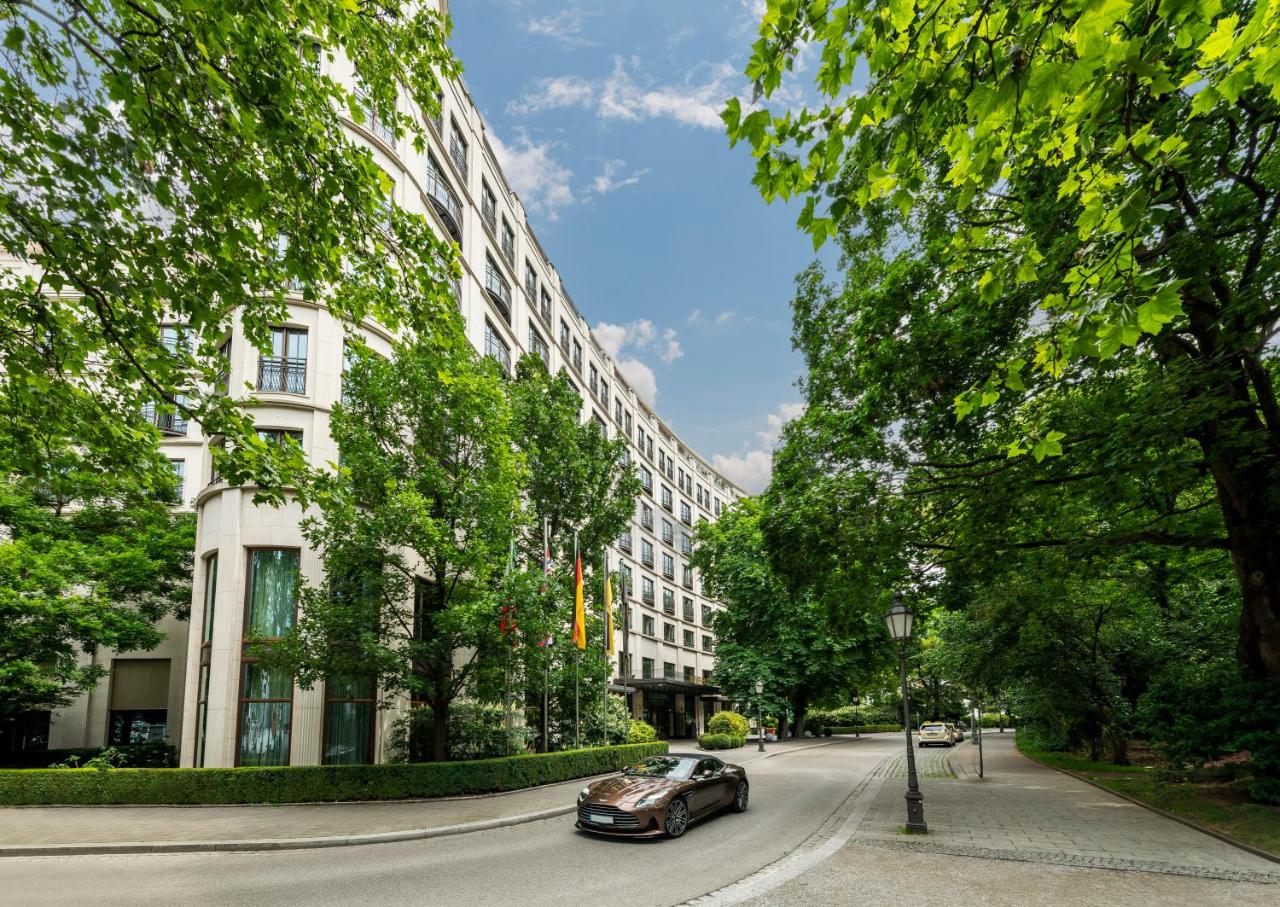
Munich: Rocco Forte The Charles (43 connectors, up to 120kW)
Munich is a major business and event hub, and Rocco Forte The Charles Hotel stands out with 43 connectors and up to 120kW, offering a rare blend of scale and speed. The presence of CCS Combo 2 is especially valuable for short stays and quick turnarounds.
- Best for: business trips, conferences, late arrivals needing fast replenishment.
- Charging fit: Type 2 for overnight; CCS fast charging up to 120kW when time is tight.
- Tip: if you’re arriving at peak times, more connectors usually means less queueing—exactly what you want before an early meeting.
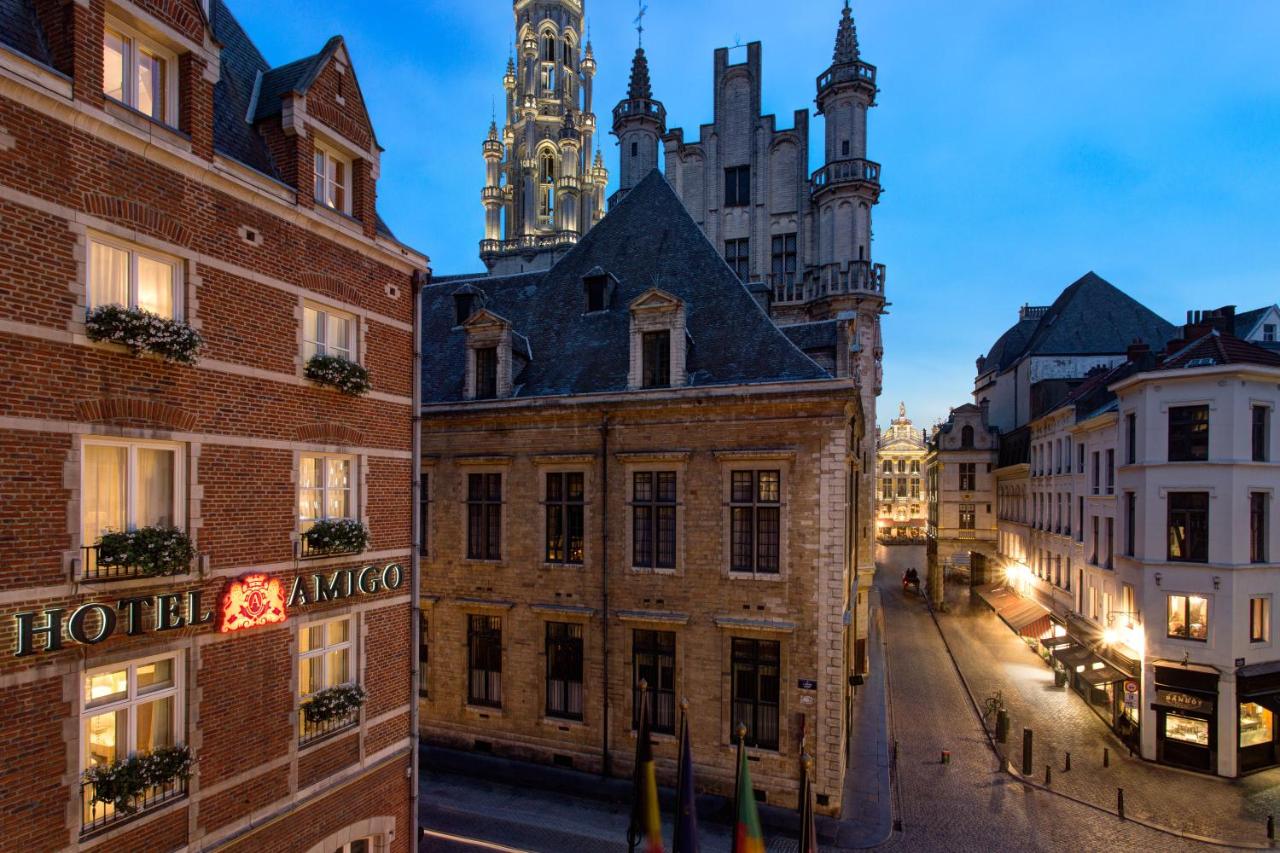
Brussels: Hotel Amigo (127 connectors, up to 22kW)
For sheer capacity, Brussels is hard to beat. Hotel Amigo, a Rocco Forte Hotel lists an eye-catching 127 connectors up to 22kW, including Type 2 and Tesla connectors. For a policy-and-events city like Brussels, that scale supports conferences, delegations, and fleet-heavy travel without turning charging into a daily puzzle.
- Best for: events, group travel, multi-car trips, and anyone who hates charger uncertainty.
- Charging fit: high-volume Type 2 AC up to 22kW—ideal for overnight and day-long parking.
- Tip: when a site has triple-digit connectors, the practical benefit is reliability-through-redundancy.
Brussels: Stanhope by Thon (29 connectors, up to 43kW)
If you want higher AC power in Brussels, Stanhope Hotel by Thon Hotels offers 29 connectors up to 43kW, with Type 2 and Tesla listed. While 43kW AC depends on vehicle onboard charger capability, the headline matters: the site is positioned for faster destination charging than the typical 11–22kW hotel setup.
- Best for: shorter stays where faster AC helps, and travellers balancing meetings across the city.
- Charging fit: Type 2 AC (up to 43kW advertised) plus Tesla connectors.
- Tip: check your EV’s max AC intake; many EVs won’t take 43kW AC, but you’ll still benefit from a strong multi-bay setup.

Where to stay with EV charging in 2026 (bookable picks)
If you’re planning an EV trip for a conference or a cross-border city loop, these are the easiest “low-friction” stays to shortlist. They align with what 2026 travellers need most: multiple connectors, sensible kW ratings, and locations in high-demand hubs.
- Amsterdam: De L’Europe Amsterdam – The Leading Hotels of the World — 26x Type 2 up to 22kW.
- Munich: Rocco Forte The Charles Hotel — 43 connectors up to 120kW with Type 2 + CCS.
- Brussels: Hotel Amigo, a Rocco Forte Hotel — 127 connectors up to 22kW (Type 2 + Tesla).
- Brussels: Stanhope Hotel by Thon Hotels — 29 connectors up to 43kW (Type 2 + Tesla).
For broader planning, browse hotels with EV charging in Belgium or switch countries depending on your route and roaming setup.
EV charging hotels: practical road-trip planning tips (2026)
The point of hotel charging is to make the rest of your trip simpler. In 2026, the best results come from planning “charge-light” days where the hotel does most of the work.
Plan your day around one fast stop, not three
If your hotel reliably provides Type 2 charging, aim to arrive with 15–35% and leave near your preferred daily target. That often turns a day with multiple short DC stops into a day with a single longer, predictable HPC stop.
- Morning: depart with high SOC thanks to overnight Type 2.
- Midday: stop at Ionity/Fastned/Tesla Supercharger for a fast top-up (CCS).
- Evening: arrive and plug in; no extra city charging run.
Use CCS at hotels only when it changes the outcome
DC at hotels is valuable, but not always necessary. It shines when your schedule is tight—late arrival, early departure, or a same-night turnaround. If you have 10–12 hours parked, a solid 11–22kW Type 2 setup is usually the most cost-effective and least stressful option.
Expect grid and permitting constraints (and build resilience)
Even in 2026, some regions face grid upgrade queues and permitting delays. That’s why redundancy matters: choose hotels with many connectors, and keep a nearby public option in your back pocket via Shell Recharge, Allego, or other roaming tools.
EV charging hotels outlook: why 2026 is a tipping point
Three forces are converging in 2026:
- Demand: more EVs on the road and more guests selecting hotels based on charging availability.
- Standardization: Type 2 + CCS becoming the default expectation, with Tesla connectors often as an additional option.
- Operations: hotels learning that uptime, access rules, and support matter as much as kW numbers.
Industry discussions around ultra-fast charging, smart grids, and even V2G at airports and event venues are pushing expectations upward. Hotels that build dependable charging now will be the ones that win bookings as EV adoption accelerates toward 2030.
If you’re booking for a 2026 trip, focus on what actually improves your experience: multiple connectors, clear access, and the right blend of Type 2 overnight charging with CCS fast charging on the route.
Where to Stay in Amsterdam
Hand-picked hotels with EV charging facilities for electric vehicle travelers
Browse all hotelsHotel Amigo, a Rocco Forte Hotel
- 127 connectors total
- Type 2 and Tesla connectors
- Up to 22kW AC charging
Free cancellation on most rooms
De L’Europe Amsterdam – The Leading Hotels of the World
- 26 Type 2 connectors
- Up to 22kW AC charging
Free cancellation on most rooms
Stanhope Hotel by Thon Hotels
- 29 connectors total
- Type 2 and Tesla connectors
- Up to 43kW AC charging
Free cancellation on most rooms
Looking for more options in Amsterdam?
Browse moreFrequently Asked Questions
Prioritize multiple connectors, clear access rules, and confirmed power levels. For overnights, Type 2 AC at 11–22kW is ideal. For short stays, on-site CCS fast charging (50–150kW+) can be decisive. Also verify payment method, parking fees, and whether chargers are guest-only.
Type 2 is usually best for hotels because it matches overnight dwell time and is widely compatible across Europe. CCS fast charging is better when you need quick range during short parking windows. The best EV charging hotels in 2026 offer both, or have many Type 2 bays plus nearby HPC.
Hotels typically integrate through payment roaming, monitoring, and load management rather than directly being an Ionity site. You may pay via RFID/app ecosystems (often compatible with Shell Recharge or other providers) while using Ionity, Fastned, Allego, or Tesla Supercharger for motorway DC charging en route.
If you can charge overnight at your hotel, you often avoid an extra public charging stop after check-in or early the next morning. In real-world travel, that commonly saves about 20–40 minutes per day, especially in busy cities where finding an available fast charger can take time.
Most new hotel installs prioritize Type 2 for AC and CCS for DC because they cover the majority of European EVs. CHAdeMO is less common at new deployments, though it still exists. If your car relies on CHAdeMO, choose hotels with strong Type 2 availability and plan backup public CHAdeMO stops.
