EV hotel charging in Europe is expanding rapidly in 2026 as hotels respond to rising electric vehicle demand and the practical reality that drivers want to wake up to a full battery. Across the continent, properties are adding more Type 2 AC points (typically 11–22kW) for overnight charging, plus selective CCS fast charging (often 50–150kW+) for quick top-ups on road-trip days. With European EV adoption projected to reach roughly 40 million vehicles by 2030, hotels are becoming a key piece of the charging puzzle—especially where public infrastructure still lags behind vehicle growth.
This is not just “nice to have” anymore. In many cities, the difference between a reliable hotel with charger and a hotel without one is 20–40 minutes saved per day on a trip, because you avoid detours, queues, and app-hopping at public stations. Below is what’s changing in 2026, what to look for when booking, and real examples from Amsterdam and Munich you can reserve today on Stay Fully Charged.
EV hotel charging in Europe 2026: what’s driving it
Hotels are adding EV charging stations faster in 2026 for one reason: guest expectations now mirror WiFi expectations. Business travelers want predictable overnight replenishment. Families want to avoid late-night charging stops. Road-trippers want a dependable backup to high-power hubs like Ionity or Tesla Superchargers.
EV adoption growth is outpacing public chargers
A consistent theme across Europe is that EV sales growth has been outpacing public chargepoint growth (often cited at 3:1 in market discussions). That gap does not mean public networks are failing—networks like Fastned, Allego, Shell Recharge, Ionity, and Tesla are building larger, higher-quality hubs—but it does mean overnight destination charging is increasingly valuable.
- Public fast charging is optimized for speed and turnover (150–350kW hubs, short dwell time).
- Hotels are optimized for long dwell time (8–12 hours), making AC charging cost-effective and grid-friendly.
- Mixed sites (AC + CCS) help cover both use cases without forcing guests offsite.
Hotels are repurposing car parks, not rebuilding
The 2026 rollout is practical: many properties are converting existing parking bays into EV bays rather than building new structures. The winning formula is less about a fancy unit and more about uptime, access control, and simple payment—the same friction points drivers already judge public charging networks by.
- Access control: guest-only barriers, number-plate access, or RFID cards to stop ICE-ing and charger squatting.
- Reliability: hardware monitoring, clear signage, and staff processes for resets.
- Payments: roaming-friendly QR/RFID/app options that feel closer to Shell Recharge or Allego experiences.
EV hotel charging in Europe: AC overnight vs CCS fast charging
In day-to-day EV travel across Europe, the most useful hotel setup is rarely “one fast charger.” It’s usually multiple AC points that reliably work at check-in time, because that’s when most guests plug in. CCS is still valuable—especially on departure days when you want a quick buffer before hitting the Autobahn or an autoroute.
Type 2 AC (11–22kW): the overnight workhorse
Type 2 is the default connector for AC charging across most of Europe. At 11kW, many EVs add roughly 50–70 km of range per hour depending on efficiency and onboard charger limits. At 22kW, cars that support it can replenish faster, but many vehicles still cap at 11kW on AC.
- Best for: overnight stays, conferences, city breaks, airport hotels.
- What to check: power per port (11 vs 22kW), how many connectors, and whether the site load-shares.
- Real-world expectation: even 7–11kW overnight is usually “full by morning” for most guests.
CCS fast charging (50–150kW+): the strategic add-on
CCS Combo 2 is Europe’s main DC fast-charging standard. Hotels installing 50–120kW DC can serve guests arriving low, taxis, or drivers doing long intercity legs. However, DC hardware and grid upgrades are costly, so the strongest hotel deployments tend to be premium properties or locations with high transient demand.
- Best for: road-trippers, premium urban hotels with valet turnover, “arrive late/leave early” itineraries.
- What to check: peak kW, whether power is shared, and connector availability at peak check-in.
- Public fallback: confirm nearby Ionity/Fastned/Shell Recharge hubs for redundancy.
What about CHAdeMO in 2026?
CHAdeMO is still relevant for a shrinking but important set of older EVs. In hotel environments, CHAdeMO is less common than Type 2 or CCS, so CHAdeMO drivers should prioritize hotels with nearby public CHAdeMO options (often on multi-standard DC units) and treat hotel charging as a bonus unless explicitly confirmed.
EV hotel charging in Europe 2026: the new “quality” metrics
In 2026, the industry conversation is shifting from “Does the hotel have a charger?” to “Can I rely on it when I arrive at 19:00?” The best properties are improving the guest experience with the same thinking that made top public networks popular: high uptime, clear UX, and predictable access.
1) Connector count beats peak kW for most guests
One 150kW charger sounds impressive, but it can become a bottleneck at check-in. A bank of 10–40 Type 2 connectors can serve many guests simultaneously, even if each delivers 11–22kW.
- Look for: 10+ connectors at busy city properties.
- Why it matters: reduces wait times and staff intervention.
- Hotel reality: many guests arrive within the same 2–3 hour window.
2) Load management is becoming standard
To avoid expensive grid upgrades, hotels increasingly deploy load-managed AC banks. The site distributes power dynamically across cars, often giving everyone “enough” overnight rather than giving one car everything immediately. This is usually fine for guests—if the hotel sets expectations and provides enough ports.
- Good sign: many connectors + clear signage about managed charging.
- Red flag: few connectors + heavy load sharing (can lead to under-delivery).
3) Reservable bays and pre-arrival booking
As utilization rises, pre-arrival booking and reservable EV bays are emerging as key differentiators. Expect more properties to offer time windows, “plug-and-stay” policies, and live availability in apps—mirroring the confidence drivers feel when they see reliable status reporting on Fastned or Tesla sites.
- Ask before arrival: Can I reserve a bay? Is it first-come-first-served?
- Operational detail: Is there an overstay fee or a move-your-car policy after charging?
EV hotel charging in Europe: how to book with confidence
When I plan EV trips across Europe, I treat a hotel with charger like a mini charging strategy, not just an amenity. The goal is to remove uncertainty: you want the right connector, enough power for your overnight window, and a public backup that’s easy to reach.
Use a simple 7-point checklist
- Connector type: Type 2 for AC; CCS Combo 2 for DC; confirm if Tesla-only plugs exist.
- Power: 11kW vs 22kW AC; 50–150kW+ DC if offered.
- Connector count: more ports usually beats higher kW for hotel use.
- Access: barrier/valet/guest-only, and whether non-guests can use it.
- Payment: included, room-billed, RFID, app, or per-kWh.
- Parking rules: time limits, move-car policy, penalties for fully charged parking.
- Public fallback: identify a nearby Ionity, Shell Recharge, Allego, Fastned, or Tesla Supercharger site.
Plan around your arrival SOC and overnight window
If you arrive at 20% state of charge and leave at 08:00, you have ~12 hours. In most EVs, an 11kW Type 2 session can add enough energy to cover a full day of city driving plus the next leg. If you arrive late and depart early, a hotel with CCS fast charging can be the difference between a relaxed departure and a stressful detour.
Where to Stay with EV Charging (Amsterdam & Munich)
Below are standout options you can book via Stay Fully Charged, chosen for what matters most in 2026: connector count, practical kW, and the likelihood you’ll actually get a plug when the hotel is busy. If you want to browse more inventory, start with hotels with EV charging in Netherlands and hotels with EV charging in Germany, then filter by city and connector type.
Amsterdam: high-density Type 2 charging in a mature EV city
Amsterdam is one of Europe’s most EV-ready cities, so hotels can lean into multi-connector AC setups that serve many guests simultaneously. For travelers, that means less reliance on public charging queues in the canal belt and easier overnight replenishment.
- Browse more options: EV-friendly hotels in Amsterdam
- Best fit for: city breaks, business stays, and multi-car groups needing reliable AC access
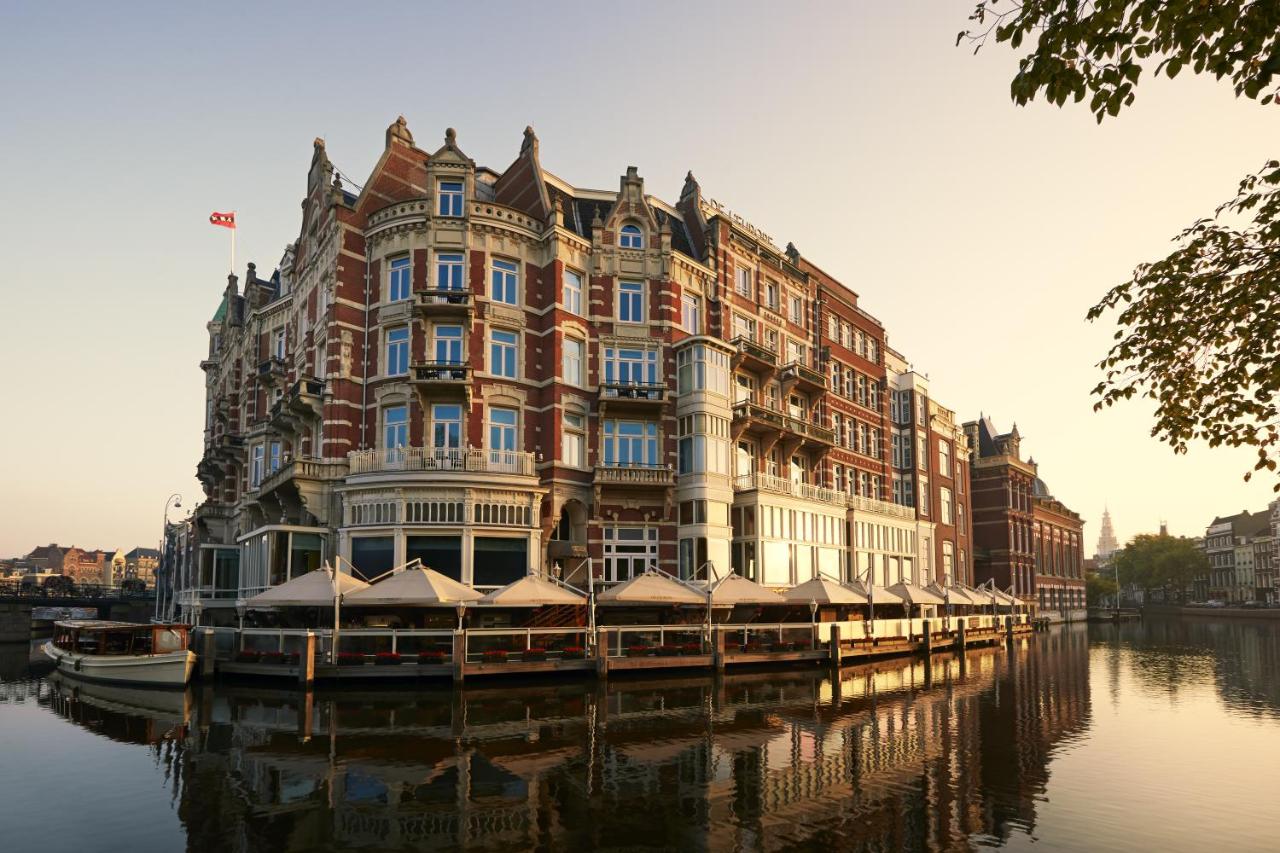
De L’Europe Amsterdam – The Leading Hotels of the World is a prime example of the 2026 trend toward more bays rather than a single “showpiece” unit. It offers 26 Type 2 connectors up to 22kW, which is exactly the kind of capacity that reduces check-in competition and makes overnight charging predictable in a busy central location.
Anantara Grand Hotel Krasnapolsky Amsterdam raises the bar on scale with an unusually large deployment: 70 Type 2 connectors up to 38.4kW. For 2026, that “many plugs” approach is often the most guest-friendly—especially during peak weekends when multiple EVs arrive within the same hour.

Munich: mixed Type 2 + CCS for road-trippers
Munich sits on major north–south and east–west driving routes, so it’s a city where mixed AC + DC at hotels makes real sense. The broader region is also scaling charging capacity—Munich Airport’s large Wallbox rollout is a signal of how fast the ecosystem is growing around travel corridors.
- Browse more options: EV-friendly hotels in Munich
- Best fit for: Bavarian road trips, business travel, and drivers who want a fast top-up option onsite
Rocco Forte The Charles Hotel stands out for combining a very high connector count with meaningful DC capability: 43 connectors with a mix of Type 2 and CCS Combo 2, up to 120kW. That blend supports both overnight charging and faster “buffer” sessions before an Autobahn leg.
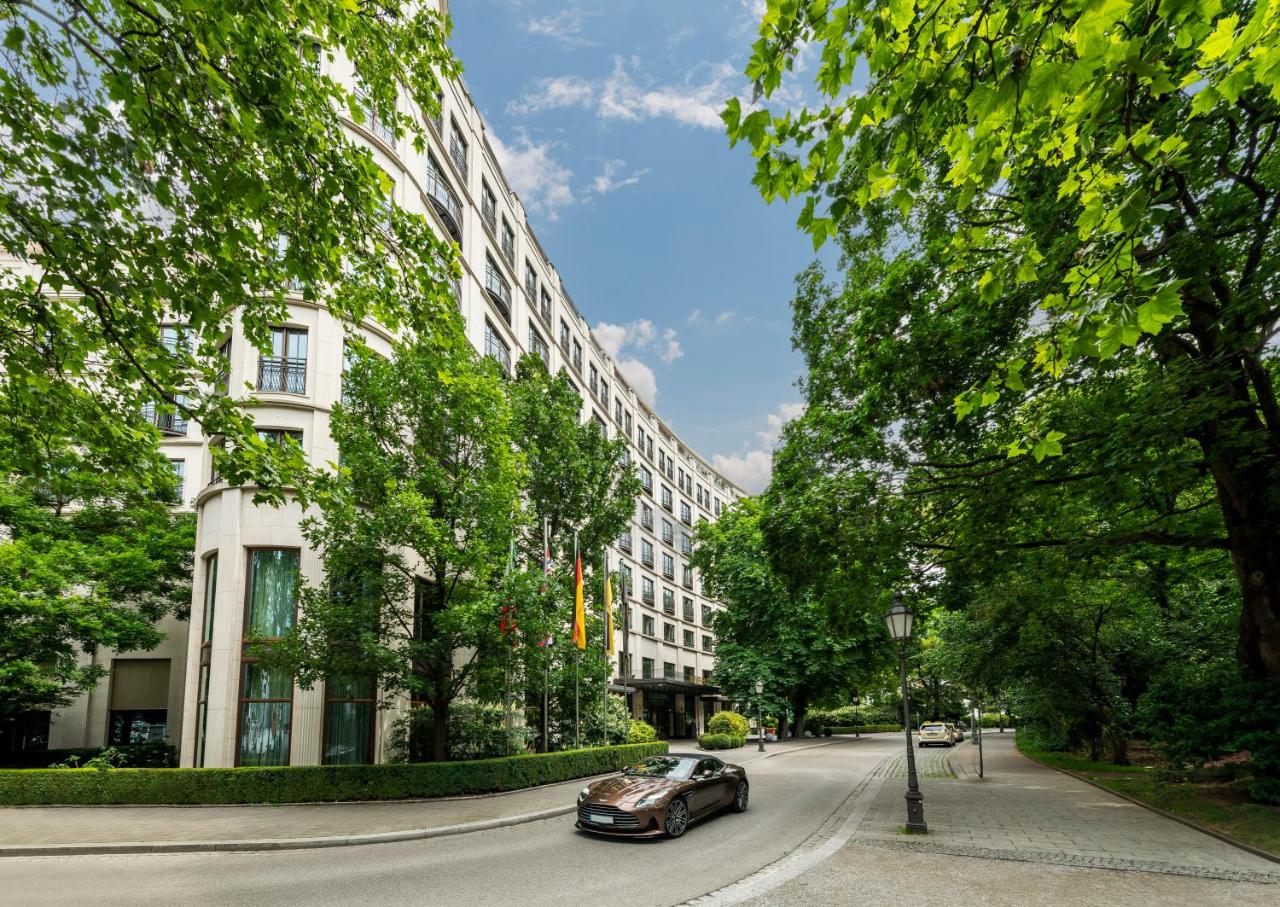
Mandarin Oriental, Munich is strong for guests prioritizing overnight AC reliability and Tesla compatibility. It offers 43 connectors up to 22kW with Type 2 plus Tesla connectors—useful if you’re driving a Tesla but still want the flexibility of standard Type 2 hardware.

EV hotel charging in Europe: how hotels complement Ionity & Tesla hubs
Public HPC networks are still essential for transit legs, especially on motorways where 150–350kW charging is the time-saver. In my experience, the most efficient trip pattern in 2026 is a hybrid approach: use Ionity, Fastned, Tesla Superchargers, Allego, or Shell Recharge for the long legs, then let the hotel handle the “boring” overnight replenishment.
A practical day-by-day travel pattern
- Morning: depart with a high SOC from hotel AC (no detour needed).
- Midday: one fast charge at a 150–350kW hub while you eat.
- Evening: arrive at hotel, plug in, and stop thinking about charging.
Why this saves 20–40 minutes daily
Those minutes typically disappear into the friction: exiting the route, waiting for a stall, app setup, and returning to your destination. A hotel with charger shifts that time into sleep hours—especially in cities where curbside charging is competitive or parking garages have limited public chargers.
EV hotel charging in Europe 2026: what to expect next
Industry events in 2026 are heavily focused on scaling charging intelligently: power sharing, smart grids, and better operations. For hotels, that translates into more predictable experiences—if properties invest in the right fundamentals.
Near-term innovations you’ll actually notice as a guest
- Live availability in hotel apps or platform listings, similar to public network status tools.
- Pre-arrival reservation of EV bays, especially at high-demand urban hotels.
- More mixed sites: AC banks for all guests plus a small number of 50–150kW CCS units.
- Smarter load management that prioritizes low-SOC arrivals or departure times.
What likely won’t change quickly
- AC will remain the backbone for hotels because it matches dwell time and grid cost realities.
- CCS at hotels will stay selective until grid upgrades and utilization justify it widely.
- Connector standardization will continue trending toward Type 2 (AC) and CCS Combo 2 (DC), with CHAdeMO fading but not gone.
EV hotel charging in Europe: quick booking tips for 2026
If you take only a few actions from this update, make them these. They’re the difference between “EV-friendly” marketing and a genuinely seamless overnight charge.
- Prioritize connector count when traveling during peak periods (weekends, trade fairs, holidays).
- Confirm access rules (guest-only, valet-only, reservable) before arrival.
- Carry the right cable: Type 2 cable for AC; CCS is tethered at DC units.
- Keep a public backup pinned in your maps (Ionity/Fastned/Tesla/Shell Recharge/Allego).
- Arrive with a buffer if possible—hotel chargers can still be occupied at 19:00–21:00.
Ready to book? Start with EV-friendly hotels in Amsterdam or EV-friendly hotels in Munich, then filter by connector type and charging speed to match your car and itinerary.
Where to Stay in Amsterdam
Hand-picked hotels with EV charging facilities for electric vehicle travelers
Browse all hotelsDe L’Europe Amsterdam – The Leading Hotels of the World
- 26 Type 2 connectors
- Up to 22kW AC
Free cancellation on most rooms
Rocco Forte The Charles Hotel
- 43 connectors (Type 2 + CCS Combo 2)
- Up to 120kW
Free cancellation on most rooms
Mandarin Oriental, Munich
- 43 connectors (Type 2 + Tesla)
- Up to 22kW AC
Free cancellation on most rooms
Looking for more options in Amsterdam?
Browse moreFrequently Asked Questions
For most trips, a Type 2 AC charger at 11–22kW is best because it matches an 8–12 hour overnight stay. Even with load management, it typically restores enough range by morning. CCS fast charging is useful, but multiple reliable Type 2 connectors usually matters more at check-in.
If you’re parked overnight, 11kW is usually sufficient; 22kW helps if your car supports it and you arrive late. For quick top-ups, look for CCS fast charging around 50–150kW+. Always confirm whether power is shared across bays via load management.
Some do, especially premium or high-turnover properties. Many hotels still focus on Type 2 AC banks, while adding a small number of CCS Combo 2 chargers (often 50–120kW) for road-trippers. Because DC hardware is costly, check connector type, access rules, and real availability before booking.
Choose properties with higher connector counts, ask if bays are reservable, and arrive with enough battery to wait or use a public fallback. Hotels with 20+ Type 2 connectors reduce competition during the 19:00–21:00 arrival peak. Pin nearby Ionity, Fastned, Tesla, Shell Recharge, or Allego sites.
In Europe, prioritize Type 2 for AC overnight charging and CCS Combo 2 for DC fast charging. CHAdeMO is less common in hotels and mainly supports older EVs. If you drive a Tesla, Type 2 is still broadly useful, while Tesla-specific connectors can be a helpful extra depending on the property.
