EV road trip planning in Europe is now genuinely straightforward—if you plan around your real range, the right connector types (Type 2, CCS fast charging, CHAdeMO), and reliable networks like Ionity, Shell Recharge, Tesla Supercharger, Allego, and Fastned. I’ve done multi-country EV drives where a “paper” 450 km range became 280–330 km in winter rain at motorway speeds, and that one detail changes everything. The good news: with the right apps, a backup plan, and an overnight hotel with charger, you can make EV travel feel as smooth as ICE.
EV road trip planning basics: range, route, reality
Start with one rule: plan for realistic range, not brochure range. Motorway speed, headwinds, cold temperatures, roof boxes, passengers, and HVAC can all increase consumption. In practice, many EVs see 18–25 kWh/100 km on motorways, and more in winter.
Tip 1: Calculate your realistic motorway range
Before you even open a routing app, estimate a comfortable driving leg between charges. A safe planning target is often 60–75% of your displayed range, especially in winter or on faster routes.
- Speed: 110–130 km/h can add 10–25% consumption vs. 90–100 km/h.
- Weather: cold + rain can add 10–30% consumption.
- Load: passengers, luggage, roof box, bike rack reduce efficiency.
- HVAC: heating can add several kWh per hour; preconditioning helps.
Tip 2: Match the trip to your connector types
Europe is largely standardized, but it still matters what your car supports and what cables you carry. Know what you can use today, not what’s theoretically possible.
- Type 2 (AC): common at hotels and city chargers; typically 7–22 kW.
- CCS fast charging (DC): the main standard for rapid charging; 50–350 kW sites across Ionity, Fastned, Allego, Shell Recharge, and more.
- CHAdeMO: still present but declining; common for older Nissan LEAF and some Mitsubishi models; check availability carefully.
- Tesla Supercharger: many European sites are CCS; access depends on vehicle and location—verify in-app.
Tip 3: Choose a charging rhythm (not a single “perfect” stop)
On motorways, the fastest trips usually come from more frequent, shorter fast-charge stops. Most EVs charge quickest from roughly 10–60% on DC, then slow down (“taper”) above that.
- Plan for 20–60 minutes per stop depending on charger power (50 kW vs 150–350 kW) and your car’s peak rate.
- Use charging time as break time: food, restrooms, and stretching reduce fatigue.
- If you can, shift energy to overnight: a 7–22 kW hotel charge often beats a morning queue at a busy hub.
EV road trip planning tools for Europe (ABRP, PlugShare + more)
Good tools remove 90% of the stress—especially cross-border where networks, pricing, and signage vary. I typically plan with ABRP, verify with PlugShare recent check-ins, and keep one or two network apps ready for payment and troubleshooting.
Tip 4: Build your route in ABRP, then sanity-check it
A Better Routeplanner (ABRP) is the best starting point for long-distance EV routing because it models elevation, speed, temperature, and your specific EV. It will also propose charging stops aligned with your car’s charge curve.
- Set a realistic cruising speed (e.g., 115–125 km/h) rather than “max”.
- Adjust arrival SOC targets (e.g., 10–15%) to add buffer.
- Factor in weather when possible; winter legs can shrink fast.
Tip 5: Use PlugShare (and local apps) for live reliability
PlugShare is invaluable for real-time reliability: recent check-ins, stall availability notes, and common failure patterns. In the UK, ZapMap adds excellent filtering by connector type and network. If you know you’ll use a specific network, add that app too (e.g., Shell Recharge, Ionity, Tesla).
- Filter by CCS fast charging for motorway legs, Type 2 for hotels/destinations.
- Read the last 5–10 reviews, not just the star score.
- Check amenities: toilets, food, 24/7 access, lighting.
- Download apps in advance and add payment methods while on Wi‑Fi.
Tip 6: Use in-car navigation for arrival preconditioning
If your EV supports battery preconditioning (common in Tesla and many modern EVs), navigating to a DC charger via the car’s built-in system can warm/cool the battery for faster charging. That can be the difference between 70 kW and 150+ kW when it’s cold.
- Use built-in nav for the final approach to a fast charger when possible.
- CarPlay/Android Auto (Google/Apple Maps) is great for traffic—pair it with ABRP planning.
EV road trip planning checklist before you leave
The best way to avoid travel-day surprises is a simple pre-departure routine. It takes 10–15 minutes and can save hours if a cable is missing or tire pressure is low.
Tip 7: Do a 10-minute EV departure check
- Charge level: start at least 80% (or 90–100% if your battery type/trip needs allow).
- Tires: check pressure and adjust for heavy load; low pressure hurts range and safety.
- Lights & brakes: quick visual check; ensure regen and brakes feel normal.
- Cables/adapters: pack Type 2 cable, any portable EVSE, and region-specific adapters if needed.
- Apps/payment: log in and add a payment card to key networks.
- Test routing: run the built-in route planner once to confirm it recognizes your charging stops.
Tip 8: Pack for charging stops like you would for flights
Charging breaks are easiest when you’re comfortable. I treat the car like a small cabin: plan for hydration, snacks, and power for phones—especially if you need an app to start a session.
- Water, snacks, and wet wipes
- Phone cable + power bank
- Warm layer / rain jacket (many chargers are outdoors)
- Basic emergency kit + first aid
On-the-road charging strategy for electric vehicle trips
Once you’re driving, the goal is simple: arrive at chargers with enough buffer to stay relaxed, then charge only as much as you need. Most delays come from queues, broken stalls, or charging too high into the slow “taper” zone.
Tip 9: Use a “primary + backup” EV charging station plan
For each planned stop, identify a backup EV charging station within 10–20 km. On peak weekends, this single habit prevents cascading delays.
- Prefer hubs with multiple stalls (Ionity, Fastned, Tesla Supercharger) over single dual-post sites.
- Aim to arrive at DC chargers around 10–20% SOC for faster sessions (when comfortable).
- Stop earlier if you face headwinds, detours, or a sudden temperature drop.
Range-maximizing habits that actually work
You don’t need to hypermile, but small changes add up over 600–1,200 km days. The biggest wins come from speed management and climate strategy.
- Cruise control: steady speed reduces consumption spikes.
- Eco mode: can smooth throttle and reduce HVAC draw.
- Regenerative braking: helps in rolling terrain; look ahead to avoid hard braking.
- Preheat/precool while plugged in: saves battery for driving in extreme temperatures.
Where to Stay with EV Charging (4 top hotels)
On European EV trips, the biggest convenience upgrade is simple: pick a hotel with charger and start each day with a warm cabin and a topped-up battery. Overnight Type 2 charging at 7–22 kW can add roughly 50–150+ km of range per hour depending on your car and onboard charger—often enough to skip a morning fast charge entirely.
London: luxury hotels with Type 2 charging
If you’re looking for hotels with EV charging in United Kingdom, London is a strong base for UK road trips. You’ll find dependable Type 2 charging that fits overnight stays and city driving.
- One Aldwych (5★, 9.4/10) offers 12 connectors up to 22 kW, including Type 2 and wall outlet options.

- Royal Lancaster London (5★, 9.2/10) provides 12 Type 2 connectors up to 22 kW—ideal for overnight top-ups before a motorway leg.

Browse more EV-friendly hotels in London to match your itinerary and parking needs.
Amsterdam: central charging for Netherlands road trips
Amsterdam is a natural stop on Benelux routes, and the Netherlands is one of Europe’s easiest countries for public charging. For an overnight stay with plenty of AC capacity:
- De L’Europe Amsterdam – The Leading Hotels of the World (5★, 9.2/10) features 26 Type 2 connectors up to 22 kW, which is excellent for busy travel periods.

See more options for EV-friendly hotels in Amsterdam if you want to stay near specific districts or outbound routes.
Munich: mix of Type 2 and CCS on-site
Munich is a great launch point for drives into Austria, Switzerland, or northern Italy. If you want the rare advantage of having both AC and fast charging on-site:
- Rocco Forte The Charles Hotel (5★, 9.1/10) offers 43 connectors up to 120 kW with Type 2 and CCS Combo 2—useful if you arrive low and want a quick turnaround.
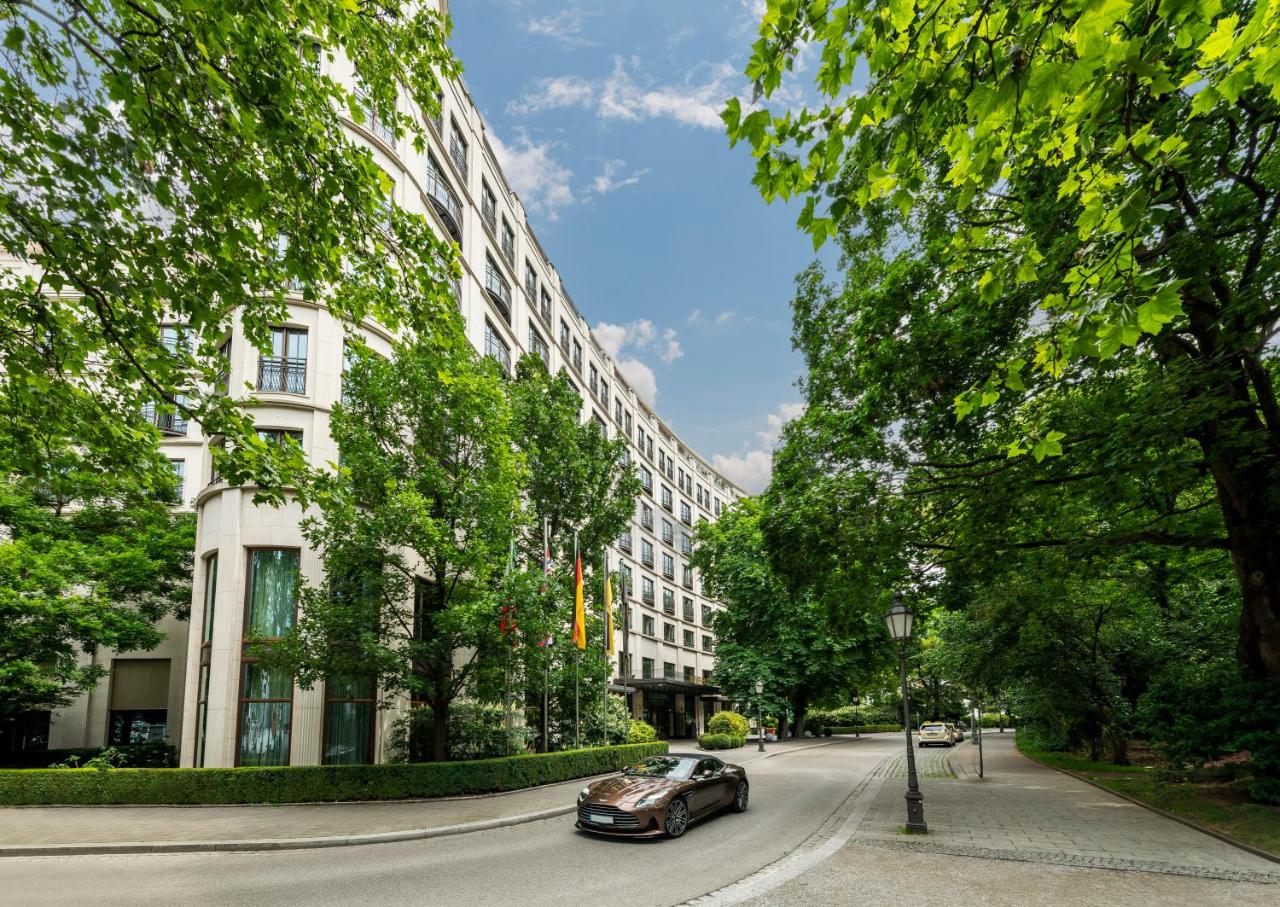
Explore more EV-friendly hotels in Munich if you’re building a multi-stop Germany itinerary.
Cross-border EV road trip planning in Europe: what changes
Europe is EV-friendly, but crossing borders introduces real-world friction: different roaming agreements, pricing models, and sometimes different charger density. A little prep keeps it seamless.
Networks to expect on major corridors
- Ionity: common on motorways with high-power CCS (often 150–350 kW).
- Fastned: excellent reliability in Benelux and beyond; typically high-power CCS with multiple stalls.
- Shell Recharge: broad roaming/app access; useful as a “universal key.”
- Allego: widespread in parts of Western/Central Europe; mix of AC and DC sites.
- Tesla Supercharger: dense fast-charging coverage; access varies for non-Tesla vehicles by location—check the Tesla app.
Pricing, access, and payment tips
Charging can be priced per kWh, per minute, or with session fees. That matters because slower-charging cars can pay more on per-minute tariffs. Always confirm the tariff in the app before you plug in.
- Carry at least two payment methods: an RFID card (if you use one) + app payments.
- Screenshot key logins or keep password manager accessible offline.
- Prefer hubs with multiple stalls to avoid single-point failures.
Sample stop timing: what “20–60 minutes” looks like
Charging time depends on your EV’s peak rate and taper curve. As a rough guide, a modern EV on a 150–350 kW CCS fast charging station might add 200–300 km of motorway range in 20–35 minutes when charging from ~10% to ~60%. On a 50 kW charger, the same energy can take closer to 45–70 minutes.
- Fast hubs (150–350 kW): great for short, frequent stops.
- Mid-speed DC (50–100 kW): workable, but build in buffer time.
- Destination AC (7–22 kW Type 2): best overnight or long stops; cheapest and simplest.
Common EV road trip mistakes (and how to avoid them)
Most EV trip “problems” are really planning mismatches—overestimating range, underestimating queues, or arriving at a charger without a backup. Fix those, and the rest is easy.
- Mistake: planning legs to 0–5% SOC. Fix: keep 10–15% arrival buffer.
- Mistake: relying on a single charger. Fix: pick a nearby alternative in PlugShare.
- Mistake: charging to 90–100% at DC every time. Fix: charge to the next stop + buffer; use overnight Type 2 when possible.
- Mistake: forgetting cables/adapters. Fix: keep a dedicated charging kit in the boot.
- Mistake: ignoring amenities. Fix: choose stations with toilets/food—especially with kids.
Quick recap: EV road trip planning in 2026
Plan your realistic range, route with ABRP, verify reliability with PlugShare or ZapMap, and keep network apps ready for payment. Build a primary + backup charger plan, and use fast charging smartly by staying in the quickest part of your charge curve. Finally, book a hotel with charger (Type 2, ideally 7–22 kW) so you start each day with time and energy on your side.
Where to Stay in London
Hand-picked hotels with EV charging facilities for electric vehicle travelers
Browse all hotelsOne Aldwych
- 12 connectors
- Up to 22kW
- Type 2 available
Free cancellation on most rooms
Royal Lancaster London
- 12 Type 2 connectors
- Up to 22kW
Free cancellation on most rooms
De L’Europe Amsterdam – The Leading Hotels of the World
- 26 Type 2 connectors
- Up to 22kW
Free cancellation on most rooms
Looking for more options in London?
Browse moreFrequently Asked Questions
A Better Routeplanner (ABRP) is the best all-around option because it plans by EV model, elevation, speed, and target battery percentage. Verify each stop in PlugShare for recent check-ins and reliability. In the UK, ZapMap is also useful for filtering by network and connector type.
Most trips work best with 20–60 minutes per stop, depending on charger power and your EV’s charging curve. High-power CCS sites (150–350 kW) can add a large amount of range quickly from about 10–60% SOC. 50 kW chargers usually require longer stops.
Yes. Type 2 AC charging at 7–22 kW is ideal overnight because it steadily refills your battery while you sleep, often reducing or eliminating a morning fast-charge stop. Always confirm the number of connectors, access rules, and whether you need to bring a Type 2 cable.
Most drivers need CCS for DC fast charging and Type 2 for AC destination charging. CHAdeMO still exists but is less common and mainly supports older models. Tesla Supercharger access depends on vehicle and location, so check the Tesla app and your car’s compatibility before relying on it.
Use PlugShare to read recent check-ins and choose sites with multiple stalls, such as Ionity, Fastned, or large Tesla Supercharger hubs. Always identify a backup charger within 10–20 km and keep your arrival buffer around 10–15% SOC so you can reroute without stress.