EV road trips across Europe are now genuinely relaxing in summer—because charging density keeps improving, route planners have gotten smarter, and warm weather usually preserves real-world range compared with winter driving. In my own long-distance electric vehicle trips (Germany to the Alps, and France’s mountain-to-coast routes), the difference is clear: fewer “charger detours,” more reliable CCS fast charging stops, and far more hotels offering overnight Type 2 top-ups.
Below are seven scenic, EV-friendly road trip routes that shine in summer, backed by networks like IONITY, Shell Recharge, Tesla Supercharger, Allego, and Fastned. You’ll also find a dedicated section on booking a hotel with charger—the easiest way to start each morning with 80–100% without wasting sightseeing time.
EV road trips 2026: why summer is easiest
Summer remains the sweet spot for long-distance electric vehicle travel. Milder temperatures reduce winter-related efficiency losses, and you’re less likely to arrive at a charger with a cold-soaked battery that limits charging speed.
Charging growth makes long-distance routes practical
Europe’s public charging footprint has expanded rapidly, with hundreds of thousands of charging points accessible via roaming apps. Tools such as Electromaps (with in-car integration via Apple CarPlay/Android Auto), plus native vehicle navigation and network planners, make it easier to confirm real-time availability and payment options.
- EU corridor target: chargers every ~60 km on major routes (helpful for range-confidence).
- Typical fast-charge strategy: arrive low, charge to ~80%, leave—because the last 20% is slow on most EVs.
- Connector reality: most modern EVs road-trip on CCS fast charging; Type 2 dominates AC destination charging; CHAdeMO is still relevant for older Nissan/Asian models but is declining.
Summer driving = steadier efficiency (with a few caveats)
Heat can increase HVAC use, but it’s usually less damaging than cold weather. In hilly regions (Alps, Black Forest, Route Napoléon), you’ll burn more energy climbing—then recover some via regenerative braking on descents.
- Plan extra buffer for mountain passes and high-speed autoroutes.
- Use regen and smooth throttle to reduce consumption.
- Prefer 150–350 kW chargers (e.g., IONITY) for shortest stops if your EV supports it.
EV road trips in Europe: 7 top summer routes
These routes balance scenery with charging confidence. I’ve prioritized areas with strong motorway charging (IONITY/Tesla/Shell Recharge/Fastned/Allego coverage) and places where destination charging is increasingly common.
1) Black Forest High Road (Germany)
The Schwarzwaldhochstraße is one of Germany’s most satisfying summer drives: forested ridgelines, viewpoints, and easy access to hiking trails. It’s also a stress-free EV route thanks to Germany’s dense public charging and solid motorway HPC coverage for getting in and out.
- Best for: winding mountain roads, lakes, and cool forest air on hot days.
- Duration: 2–4 days (or extend toward the Romantic Road).
- Charging approach: use CCS fast charging on transit legs; rely on Type 2 overnight at accommodation.
2) Bernese Oberland (Switzerland)
Think alpine lakes, cable cars, and postcard villages. Switzerland’s charging density is strong for its size, but plan carefully: mountain elevation changes can swing your consumption, and some valleys have fewer high-power options than the motorways.
- Best for: lakeside stops, alpine viewpoints, summer hiking.
- Duration: 3–5 days.
- Charging approach: pre-plan HPC stops on major roads; keep a backup AC Type 2 option for slower top-ups.
3) Douro Valley (Portugal)
The Douro is made for unhurried EV touring: vineyards, river viewpoints, and small towns where you can park, eat, and trickle-charge. Portugal’s network continues to grow, and summer temperatures are generally EV-friendly—though inland heat can raise consumption if you blast AC.
- Best for: wine landscapes, scenic river roads, long lunches while charging.
- Duration: 4–7 days.
- Charging approach: confirm charger status in-app before detouring; prioritize reliable hubs on main approaches.
4) Chianti Wine Route SR222 (Italy)
Chianti’s hills are ideal for an electric vehicle: quiet torque for climbing, regen on descents, and plenty of time to charge while you’re tasting or sightseeing. Italy’s public coverage is strong in many regions, and Northern Italy in particular is known for high charger density on popular touring corridors.
- Best for: Tuscan hill towns, winery visits, summer festivals.
- Duration: 3–5 days (easy to extend toward lakes).
- Charging approach: mix CCS fast charging for transfers with Type 2 at destinations.
5) Route Napoléon (France)
This classic drive from the Côte d’Azur inland toward the Alps is a perfect “coast-to-mountains” EV test. Fast chargers around major cities and motorways are plentiful, and the route rewards a plan built around scenic stops plus a reliable overnight charge.
- Best for: Cannes vibes, mountain towns, dramatic climbs.
- Duration: 4–6 days.
- Charging approach: use HPC (often 150–350 kW) on travel legs; destination charging at hotels reduces day-to-day stress.
6) Afsluitdijk Causeway (Netherlands)
Short, iconic, and extremely EV-easy. The Netherlands is one of Europe’s most mature charging markets, and it shows in reliability, density, and how normal it feels to plan your day around convenient top-ups rather than “charging missions.”
- Best for: coastal engineering, beaches, easy city add-ons.
- Duration: 2–3 days.
- Charging approach: abundant Type 2 AC posts for parking-and-walking; fast charging nearby for quick turnarounds.
7) Atlantic Coast hop: Spain–France (Bilbao to Biarritz)
Pair modern culture (Bilbao) with beach time (Biarritz) and the option to loop inland. This route benefits from strong charging on major approaches, and it’s easy to keep it flexible—ideal when summer crowds shift your schedule.
- Best for: coastal weather, food stops, flexible day stages.
- Duration: 3–6 days.
- Charging approach: plan around motorway hubs; keep a secondary option in case a site is busy.
EV road trips planning: chargers, connectors, and kW
Efficient EV road trips come down to three variables: connector compatibility, charging power (kW), and how well you time your stops. When you align those, your trip becomes predictable—even in peak summer travel weeks.
Know your connectors (Type 2, CCS, CHAdeMO)
- Type 2 (AC): common at hotels and city posts, usually up to 11–22 kW. Great overnight or during long meals.
- CCS fast charging (DC): the road-trip standard for most European EVs, typically 50–350 kW depending on site and vehicle.
- CHAdeMO (DC): still exists, but fewer new installs; check availability if you drive a CHAdeMO-dependent model.
Use real networks for reliable fast charging
Across Europe, the most road-trip-friendly experience usually comes from established HPC operators and clear pricing/payment flows. In practice, I’ve had the best “in-and-out” stops when I targeted big hubs:
- IONITY: frequent 350 kW sites on major corridors (ideal for cars that peak above 150 kW).
- Tesla Supercharger: excellent uptime and site design; many locations are open to non-Tesla drivers in Europe (check your app).
- Fastned: strong in the Netherlands and beyond; easy pull-through layouts.
- Shell Recharge: wide roaming and growing HPC footprint.
- Allego: common in Benelux and parts of Germany/France; good secondary option.
Route-planning rules that save time
The fastest trips rarely mean the fewest stops. They mean shorter, higher-power stops that keep you in the battery’s efficient charging window.
- Target 10–20% arrival SoC at fast chargers when feasible.
- Charge to ~80% unless the next leg demands more.
- Prefer hotel charging (Type 2 up to 22 kW) so your “first charge” happens while you sleep.
- Build a backup charger within ~10–20 km in case queues or faults appear.
EV road trips + hotel with charger: where to stay
For summer touring, the single best upgrade is booking a hotel with charger. A dependable overnight Type 2 session (often up to 22 kW) can add 200–400 km by morning depending on your EV and charging time—reducing your reliance on peak-hour fast chargers.
If your itinerary starts or ends in Berlin or Amsterdam (common gateways for European drives), these proven options make logistics simple:
Berlin: premium bases with strong Type 2 charging
- Louisa's Place — 20 connectors, up to 22 kW, Type 2.
- The Ritz-Carlton, Berlin — 47 connectors, up to 22 kW, Type 2 + Tesla.
- Hotel Adlon Kempinski Berlin — 33 connectors, up to 22 kW, Type 2.
Browse more EV-friendly hotels in Berlin or explore hotels with EV charging in Germany if you’re chaining the Black Forest and other German scenic routes.



Amsterdam: an easy start for Netherlands density
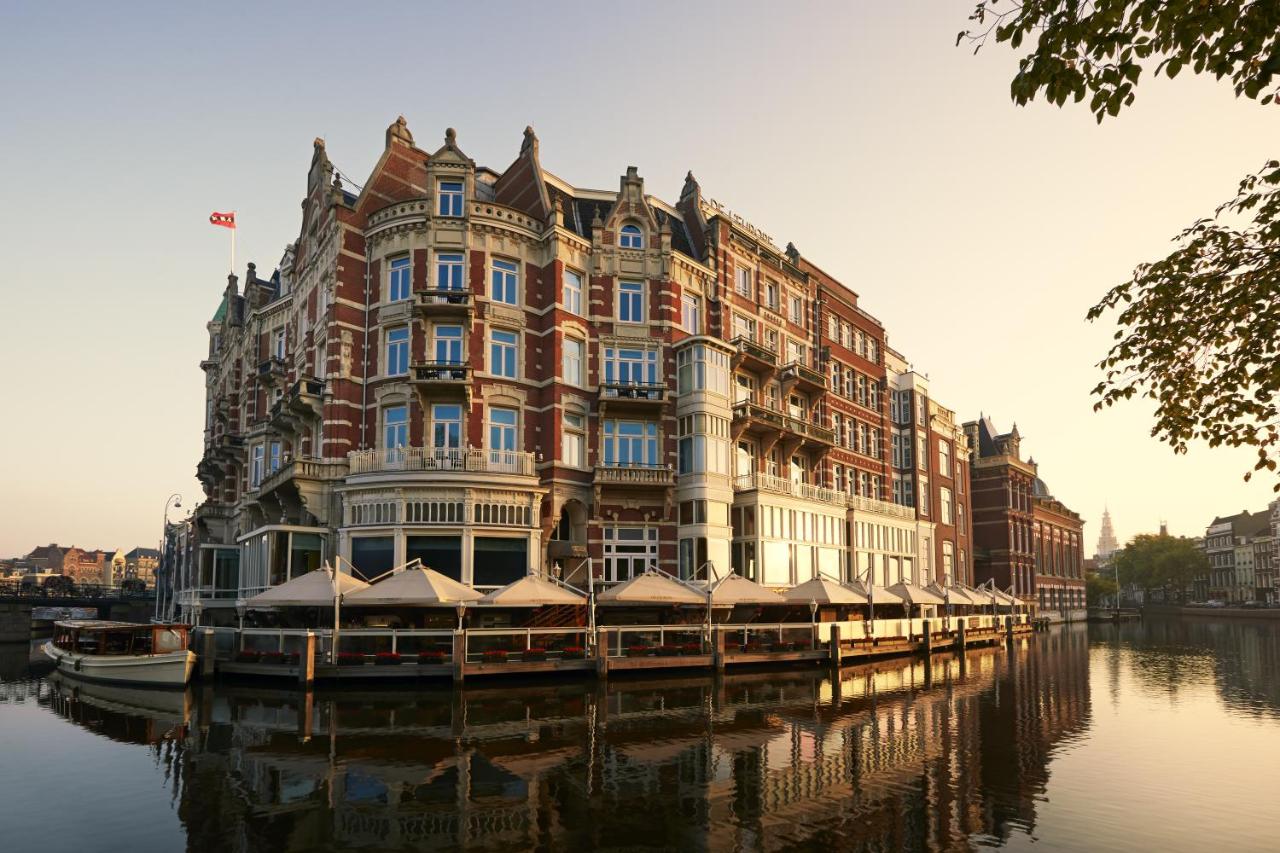
- De L’Europe Amsterdam – The Leading Hotels of the World — 26 connectors, up to 22 kW, Type 2.
For more options around the causeway and coastal routes, see EV-friendly hotels in Amsterdam.
EV road trips by destination: practical summer itineraries
Below are quick ways to turn the routes into bookable, charger-smart itineraries. Each includes a “charging rhythm” that matches how real trips work in peak summer.
Black Forest High Road: 3-day charging rhythm
- Day 1: arrive via motorway HPC (IONITY/Shell Recharge). Check in and charge on Type 2 overnight.
- Day 2: scenic driving + hikes. Top up on AC during lunch if available; otherwise rely on overnight again.
- Day 3: depart with 80–100% and use one CCS fast charging stop for the next long leg.
Bernese Oberland: mountain-proofing your plan
- Start climbs with a buffer (don’t cut it fine at 5–8% SoC).
- Expect slower average speeds; plan fewer km per day.
- Prefer reliable hubs on main roads; keep a backup charger for valley detours.
Douro Valley: destination charging as the main strategy
- Use one strong CCS fast charging stop to enter the region with comfortable range.
- Spend afternoons parked (ideal for Type 2 AC charging).
- Leave the valley with a full or near-full battery to avoid hunting chargers on rural roads.
Chianti SR222: short legs, frequent stops, easy top-ups
- Keep daily driving modest and enjoy longer stops (food + charging).
- Use CCS for transfers between regions; don’t waste time fast-charging for local loops.
- In hot weeks, pre-cool the cabin while still plugged in on Type 2.
Route Napoléon: combine HPC hubs with hotel charging
- Charge quickly on the coast before heading inland (avoid starting climbs low).
- Stop earlier than you think—queues happen in peak holiday weeks.
- Arrive at your hotel with 20–40% and recharge overnight; it’s usually faster overall than hunting late-night HPC.
Afsluitdijk: micro-trip with max flexibility
- Use AC Type 2 while sightseeing in towns/cities.
- Keep one Fastned/Allego-style HPC stop in mind for a rapid reset.
- Because distances are short, you can plan loosely and still stay comfortable.
EV road trips checklist: what to do before you depart
Do these five things and you’ll avoid most summer headaches—especially on cross-border trips where apps, pricing, and roaming can differ.
- Confirm your connectors: CCS vs CHAdeMO, and whether you carry a Type 2 cable for hotel AC posts.
- Install 2–3 charging apps: one network app (e.g., Tesla/Shell Recharge), plus a roaming map app for redundancy.
- Set payment up in advance: add a card, verify identity if needed, and test login.
- Plan with time-of-day in mind: arrive at fast chargers outside lunch and late-afternoon peaks when possible.
- Book a hotel with charger: it’s the easiest way to “bank” energy while you sleep.
EV road trips FAQ (summer Europe)
Where to Stay in Berlin
Hand-picked hotels with EV charging facilities for electric vehicle travelers
Browse all hotelsLouisa's Place
- 20 Type 2 connectors
- Up to 22kW AC charging
Free cancellation on most rooms
De L’Europe Amsterdam – The Leading Hotels of the World
- 26 Type 2 connectors
- Up to 22kW AC charging
Free cancellation on most rooms
The Ritz-Carlton, Berlin
- 47 connectors (Type 2 + Tesla)
- Up to 22kW AC charging
Free cancellation on most rooms
Looking for more options in Berlin?
Browse moreFrequently Asked Questions
Use in-car navigation plus a backup app to plan CCS fast charging stops, aiming to arrive near 10–20% and leave around 80%. Add an overnight hotel with charger (Type 2 up to 22 kW) so you start each day full and need fewer public stops.
Most modern EV road trips rely on CCS fast charging for 50–350 kW public stations. For overnight and city charging, Type 2 AC is the standard and often provides 11–22 kW. CHAdeMO still exists but is less common on new sites, so check routes if you need it.
For fast, reliable motorway charging, IONITY and Tesla Supercharger sites are usually the quickest, with many locations offering 150–350 kW. Shell Recharge, Allego, and Fastned add strong regional coverage and useful backups. Always verify live status and payment options before detouring.
Yes. Summer temperatures typically reduce cold-weather range loss and help batteries accept higher charging speeds. You’ll still use more energy on climbs, but regenerative braking recovers some on descents. Plan a larger buffer for mountain legs and prioritize dependable hubs on main roads.
A hotel with charger turns charging into downtime. A Type 2 session up to 22 kW can refill a large portion of your battery overnight, reducing reliance on busy fast chargers during peak summer hours. It also lets you depart early with a full battery and a predictable schedule.

